

Stanley Johnson visits The Gorilla Organization in Kisoro
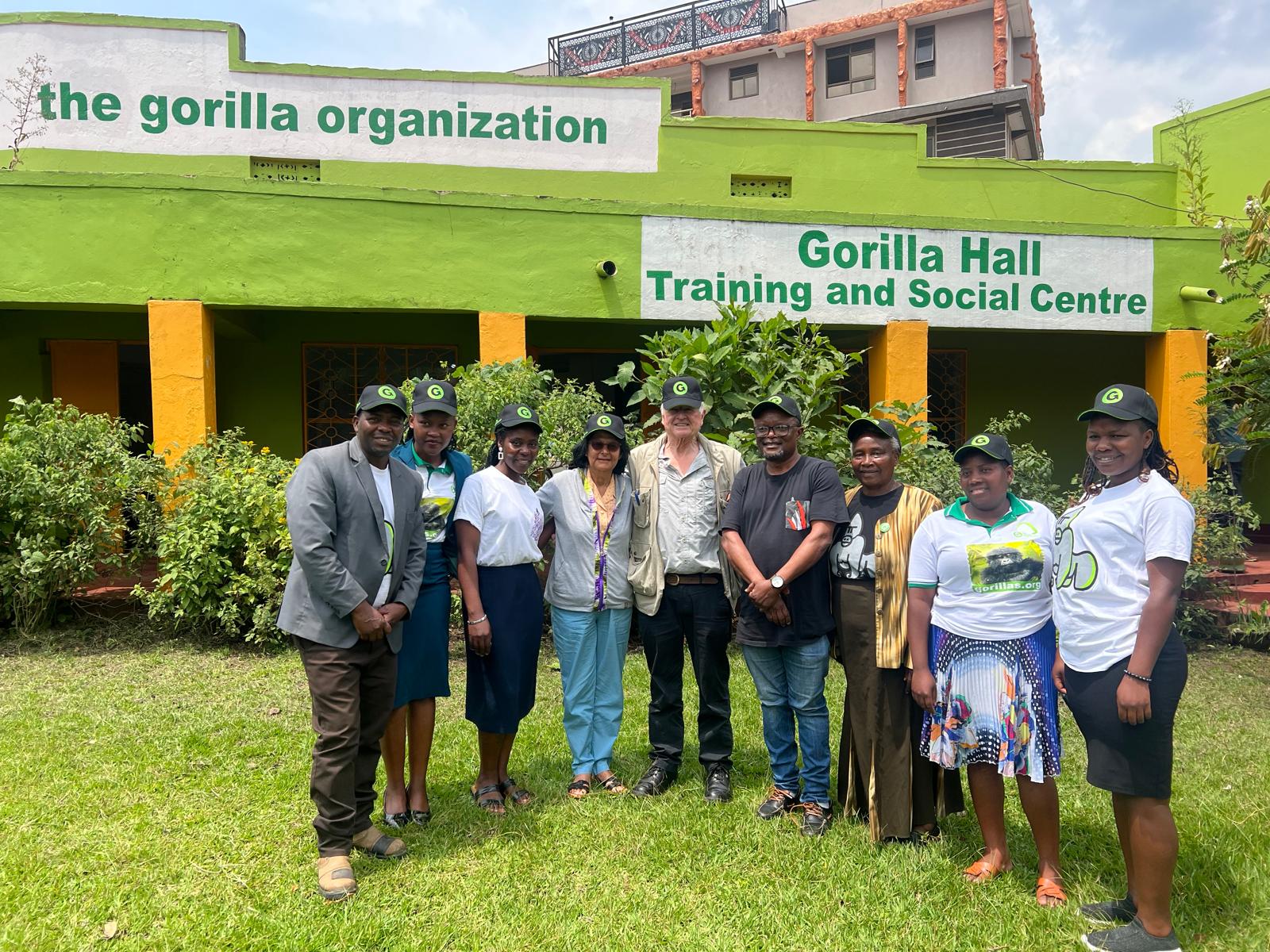
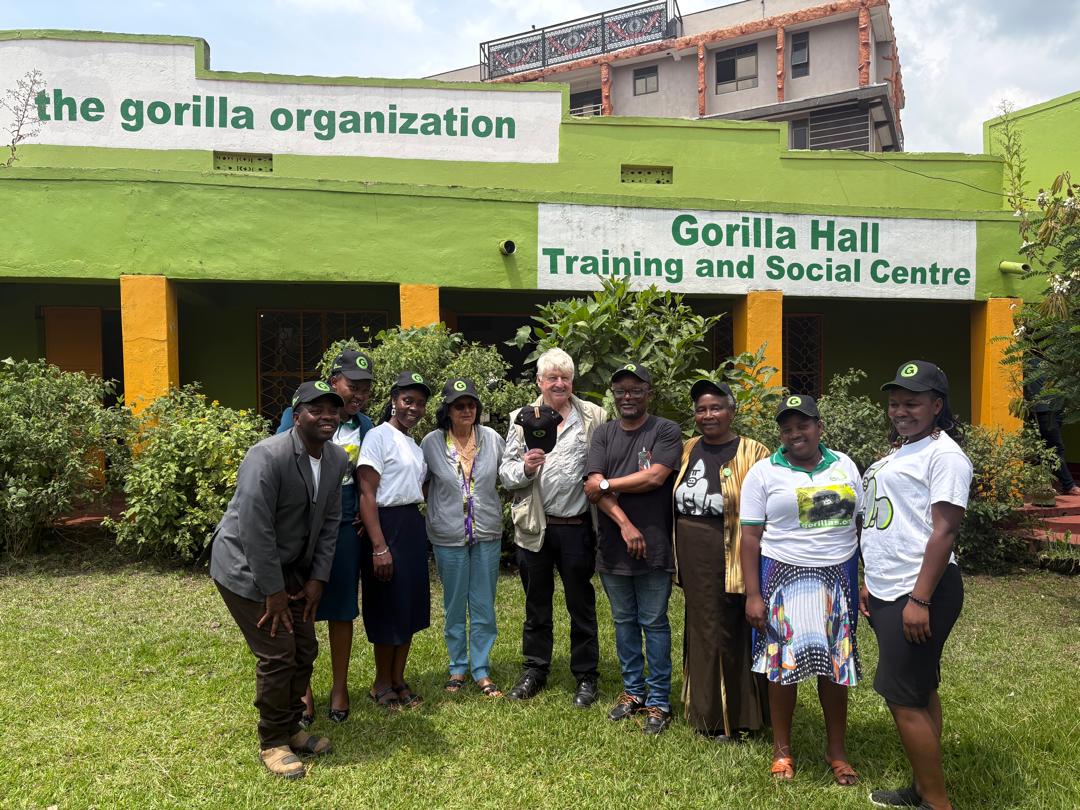
In January, we were delighted to welcome our patron and lifelong environmentalist, Stanley Johnson, to our regional resource centre in Kisoro, Uganda. He was accompanied by Uganda’s High Commissioner to the UK, Her Excellency Namisha Madhvani, and met our Uganda Country Director Dr Samson Werikhe and the wider team working every day with communities living alongside mountain gorillas.
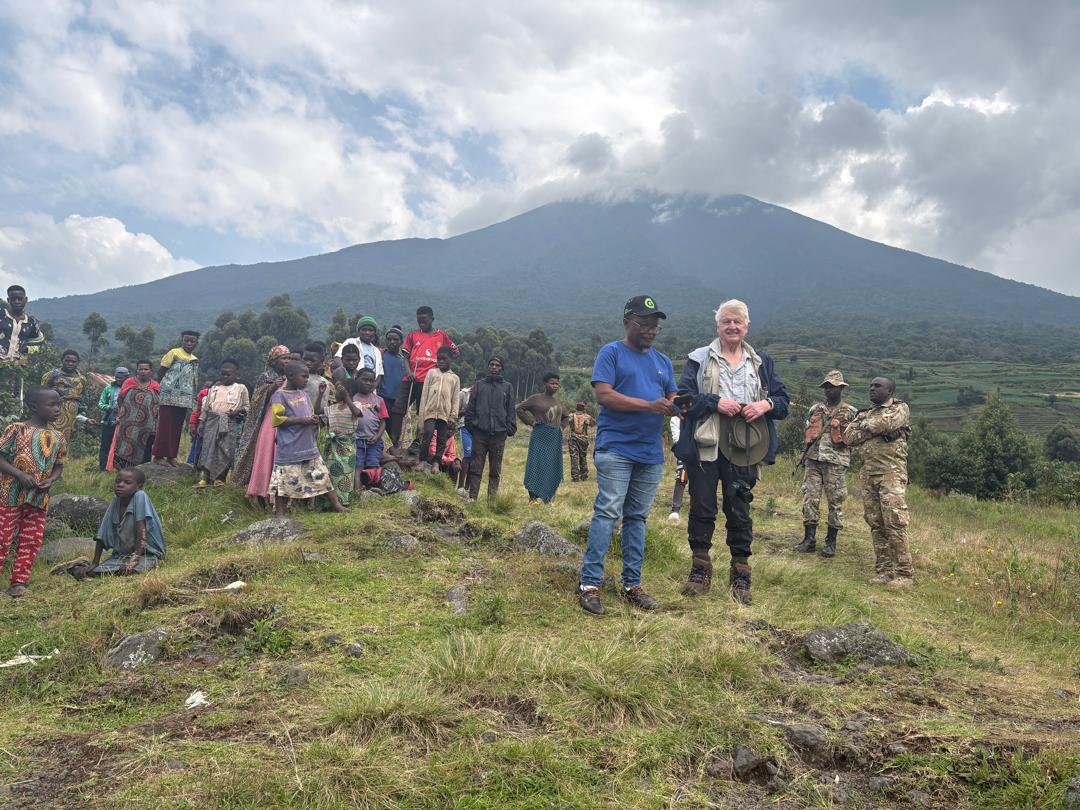
Stanley has been travelling across Uganda at the invitation of President Yoweri Museveni, visiting some of the country’s most important conservation and tourism sites, including Mgahinga Gorilla National Park, Kyambura Gorge, the Kazinga Channel and the Source of the Nile in Jinja. His visit focused on the close connection between wildlife conservation, local livelihoods and national development, something that sits at the heart of our work.
A visit to Kisoro
In Kisoro, conservation work is a daily reality for communities living on the edge of gorilla habitat. Farmers here share land with one of the world’s most endangered species, and success depends on trust, education and long-term partnership.
At our resource centre Stanley met staff, local leaders and community members who have participated in our programmes over the years. Since opening in 2006, the centre has trained thousands of people including rangers, farmers, former poachers and schoolchildren. Many of those who first attended sessions as children are now adults supporting conservation in their own villages.
At the centre, community training has been at the heart of the team’s work. This training ranges from human-wildlife conflict prevention to sustainable agriculture and income-generating skills that reduce pressure on the forest. Many reformed poachers who now earn a living through farming and community enterprises spoke about how access to knowledge and opportunity changed their choices.
A new chapter by Lake Mutanda
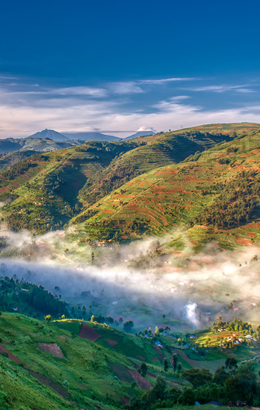
The visit also came at an important moment for the organisation. Later this year the resource centre will move to a purpose-built permanent site on the shores of Lake Mutanda. The new location sits between Uganda’s two key mountain gorilla habitats, Bwindi Impenetrable Forest and Mgahinga Gorilla National Park, placing it at the centre of our conservation landscape.
The new facility will include a larger training hall for education programmes, particularly for school groups, and a demonstration garden where farmers can learn organic agriculture techniques suited to the region. For The Gorilla Organization, it marks something significant, that after nearly two decades of operating in Kisoro, we are establishing a long-term home designed around community learning.
Standing by the lake, the idea behind the move felt clear. Conservation succeeds when it becomes part of everyday life. A permanent centre allows relationships to deepen over time, and gives local partners a place that belongs to them as much as to us.
Linking conservation and livelihoods
Throughout his Uganda visit Stanley has emphasised the connection between protecting nature and supporting economic opportunity. In Kisoro that link is visible in small details such as kitchen gardens replacing forest foraging, livestock projects reducing hunting pressure, and schoolchildren growing up understanding why gorillas matter not only globally but locally.
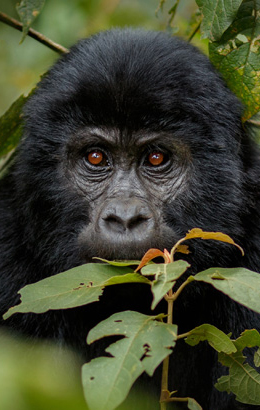
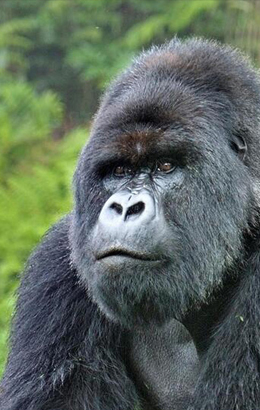
Uganda’s mountain gorilla population has increased in recent decades, a rare conservation success story. That progress depends heavily on community cooperation. The resource centre exists to support that relationship, helping ensure conservation works for people as well as wildlife.
Looking ahead
Before leaving, Stanley spoke with staff about the organisation’s future plans and the importance of continuing education work with young people. Many of the children who attend sessions today will become the farmers, leaders and rangers responsible for protecting the forest tomorrow. The new Lake Mutanda centre is being built with them in mind.
His visit was a reminder that conservation is both local and international. It relies on global support and attention, but it is sustained by the daily efforts of communities living alongside wildlife. In Kisoro, that partnership continues to grow, and the next chapter is about to begin on the lakeshore.
We look forward to welcoming Stanley back once the new centre opens.
Make a difference – help today!
More News
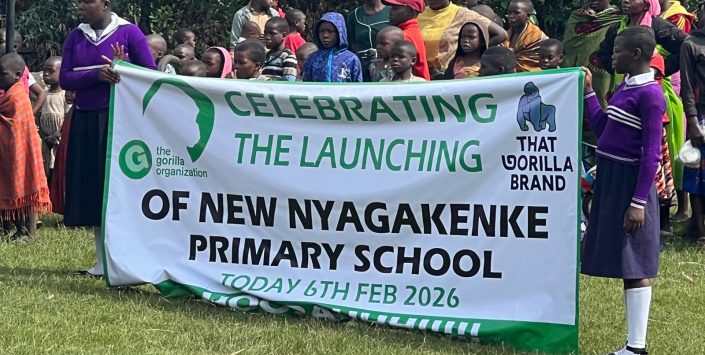
The new Nyagakenke School: Classrooms for conservation
For far too long, education in Nyagakenke meant mud floors, broken desks, and high dropout rates. Now, however, the future…
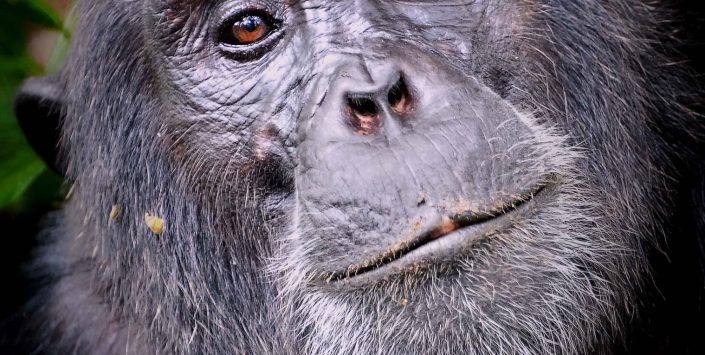
Chimps and gorillas: The best of neighbours
Though Bwindi may be best known for its 600 mountain gorillas, they are not the only great ape found in…
Gorillas at risk as worst-ever Ebola outbreak closes in fast
For now, the barrier is holding. As medics warn that the wave of Ebola sweeping through the Ituri Province of…