

Gorillas at risk as worst-ever Ebola outbreak closes in fast
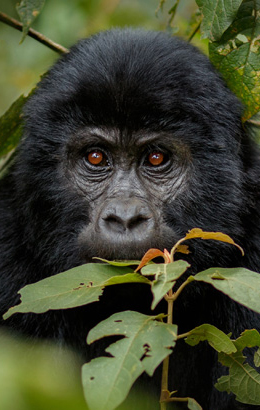
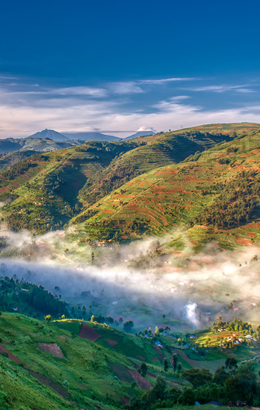
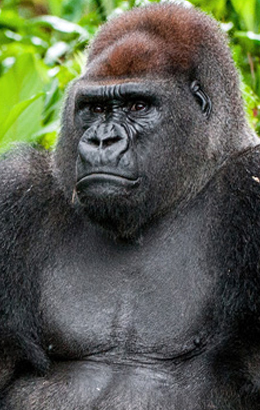
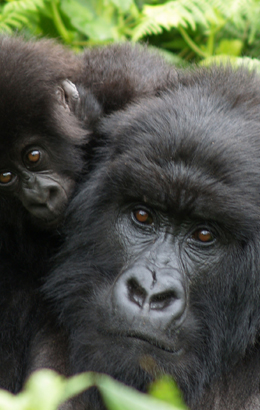
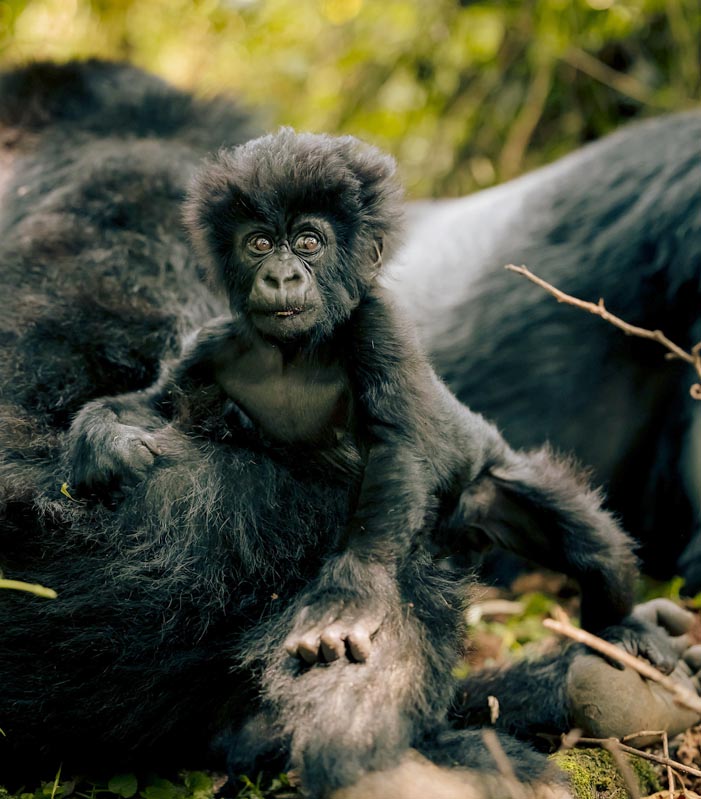
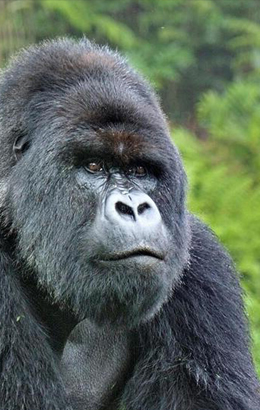
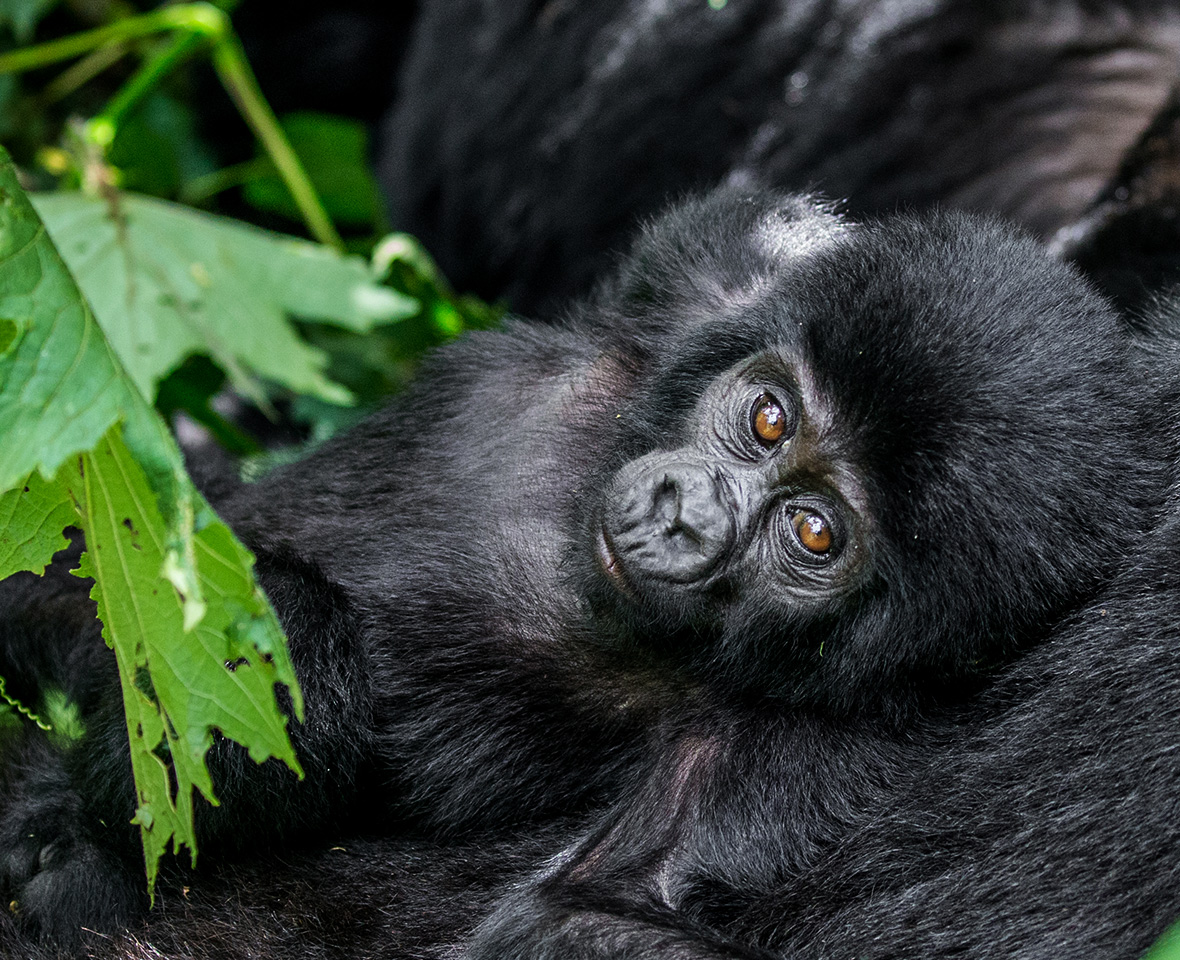
For now, the barrier is holding. As medics warn that the wave of Ebola sweeping through the Ituri Province of DR Congo is the worst they have ever seen, the dense forests of the Virunga National Park are keeping mountain gorillas safe from harm. For now.
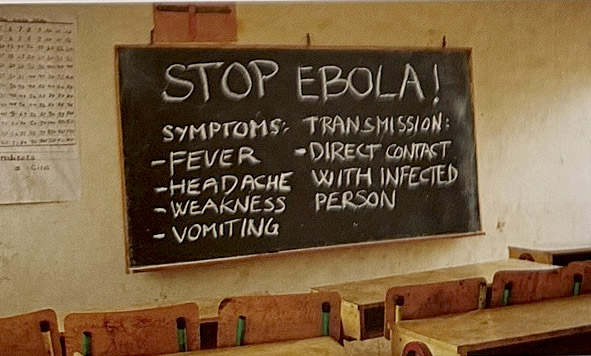
At the time of going to print, the official data looks alarming. Hundreds of deaths have already been confirmed in DR Congo alone. But that could just be the start. The Bundibugyo virus, which has caused the current outbreak, has a mortality rate of up to 50%, and there’s no approved vaccine or treatment for it.
To make matters worse, the outbreak comes at a time of heightened insecurity in the region. Rebel activity is preventing health workers from delivering care, while widespread distrust in the authorities as well as a lack of funding for a proper response, is hampering even their best efforts.
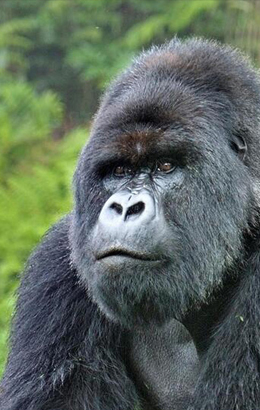
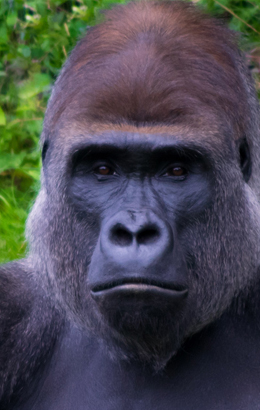
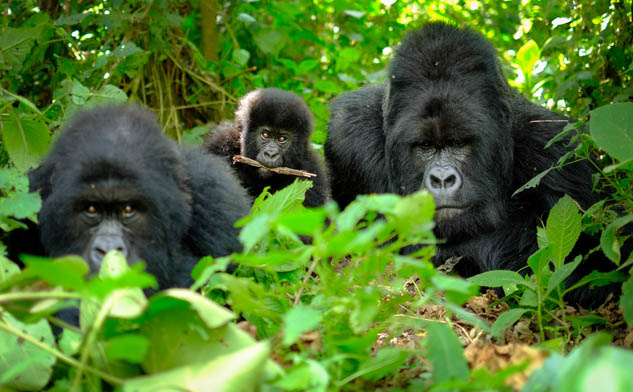
Should the current outbreak reach the Virungas’ gorilla population, the consequences would almost certainly be swift and devastating. Between 2002 and 2004, as many as 5,000 wild western lowland gorillas died as Ebola ravaged closely concentrated populations with a 95% mortality rate. For this reason, The Gorilla Organization has joined an emergency mobilization of the conservation community. Funds have been redirected towards urgent preventative measures. Screening and hand-washing stations are being set up in and around the gorilla habitat. Specialist hygiene kits are being distributed to all rangers and support staff, along with training in how to prevent transmission and keep gorillas safe.
For the Gorilla Organization team in Goma, the outbreak brings yet another challenge. The community conservation projects they oversee depend on their ability to move around the region and be there on-the-ground to deliver in-person support. They have consistently managed to be there, for both people and gorillas, even through periods of war, mudslides and volcanic eruptions. Now, however, they are grounded.
Watching and waiting
As Project Manager Henry Chiruza reports from Goma, “Strict quarantine measures are now in place, restricting all movement in and out of the city. The good news is that our team remain healthy. But they are incredibly frustrated at their inability to provide help to where it’s needed the most.”
Across the border in Uganda, conservationists are also on red alert. There’s never been an outbreak of Ebola among the gorillas here. But nobody is taking any chances. Tourists are still being allowed to visit a select number of gorilla families, not least because the impacts of the pandemic are still being felt here. Back then, a six-month pause on wildlife tourism led to a marked spike in poaching and habitat destruction as communities were deprived of an income. However, should the risk to gorillas grow, stronger measures may be needed, no matter the short-term economic impact.
For Henry and his team in Goma, meanwhile, patience and vigilance are key to getting through yet another crisis. “Our project workers, the wildlife rangers we support, and all of us know we have to make sacrifices to keep each other safe, and to keep the gorillas safe. But still, we can’t wait to get back to work. And we will, as soon as it is safe enough to do so.”
Make a difference – help today!
More News
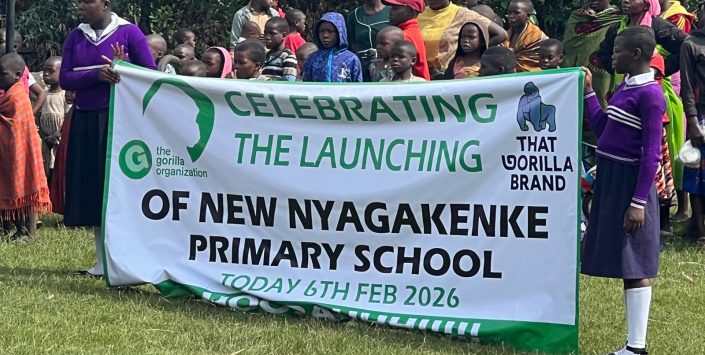
The new Nyagakenke School: Classrooms for conservation
For far too long, education in Nyagakenke meant mud floors, broken desks, and high dropout rates. Now, however, the future…
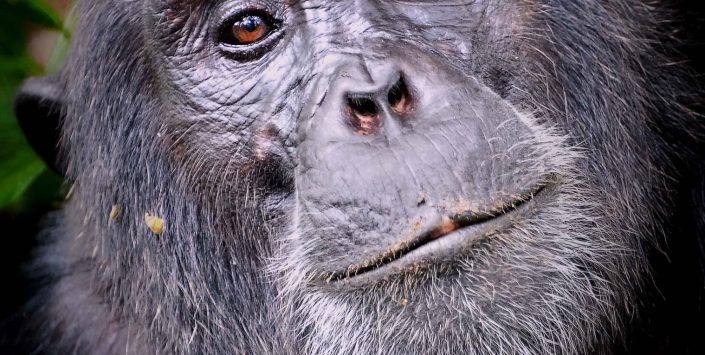
Chimps and gorillas: The best of neighbours
Though Bwindi may be best known for its 600 mountain gorillas, they are not the only great ape found in…
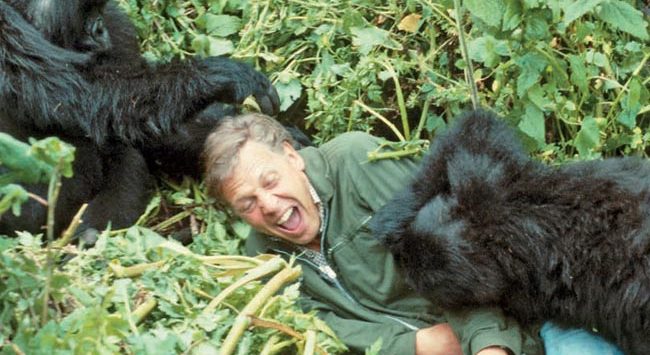
Celebrating 100 years of an icon and gorilla friend
“There is more meaning and mutual understanding in exchanging a glance with a gorilla than with any other animal I…