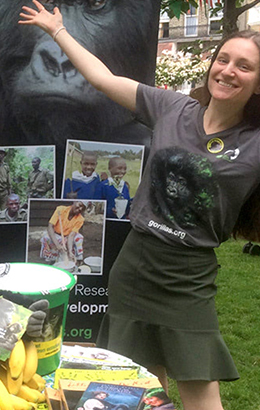

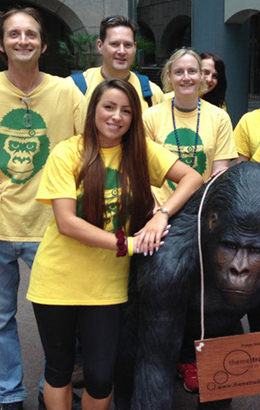
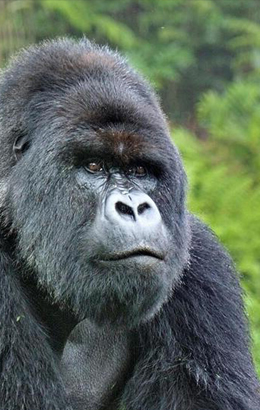
In February, we celebrated the launch of the new Nyagakenke Village Primary School, built in partnership with That Gorilla Brand.…
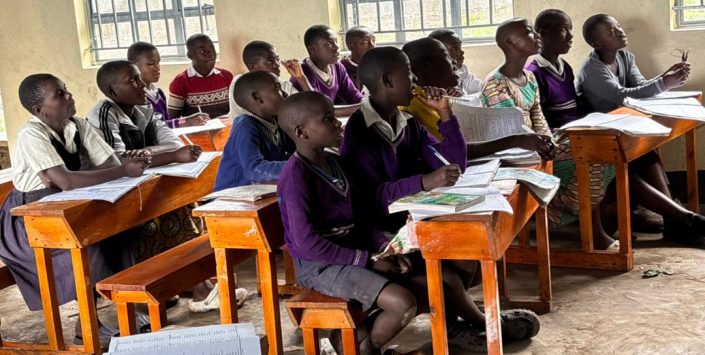
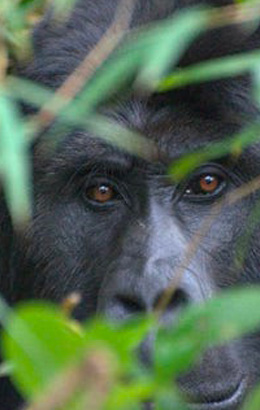
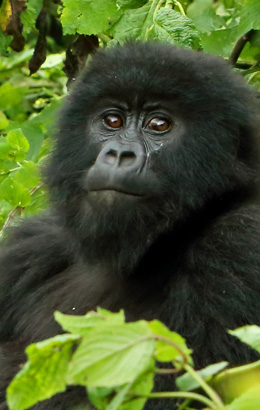
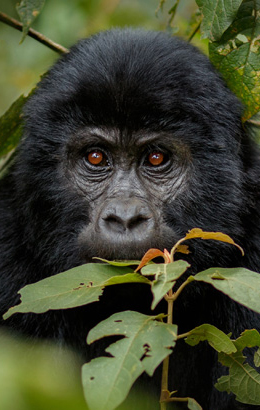
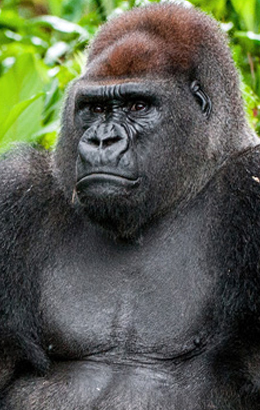
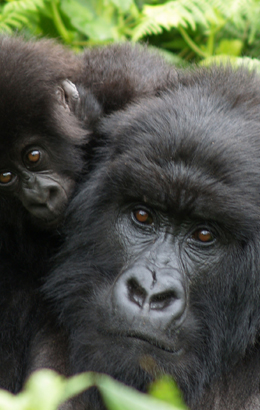
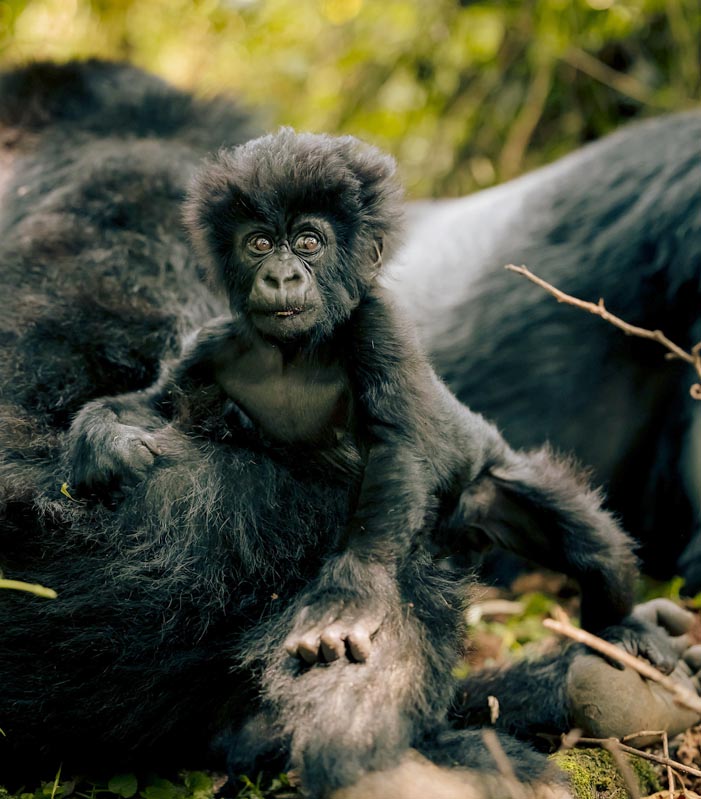
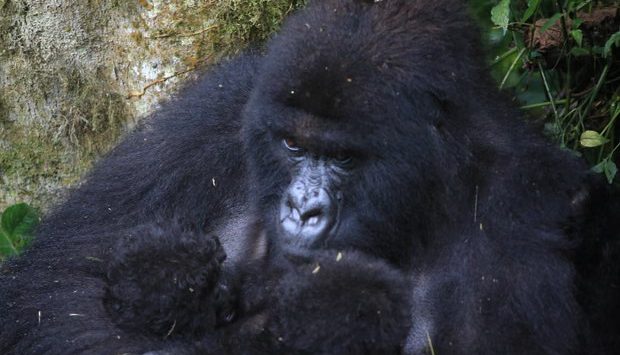
Conservationists in the Democratic Republic of Congo are celebrating the arrival of a second set of rare mountain gorilla twins, born in Virunga National Park. The newborns, estimated to be around two weeks old, were recorded in the Baraka family, in the park’s Mikeno sector. Early observations suggest the twins are one male and one female. Rangers and veterinary teams are continuing to monitor both infants and their mother closely, and they are in safe hands.
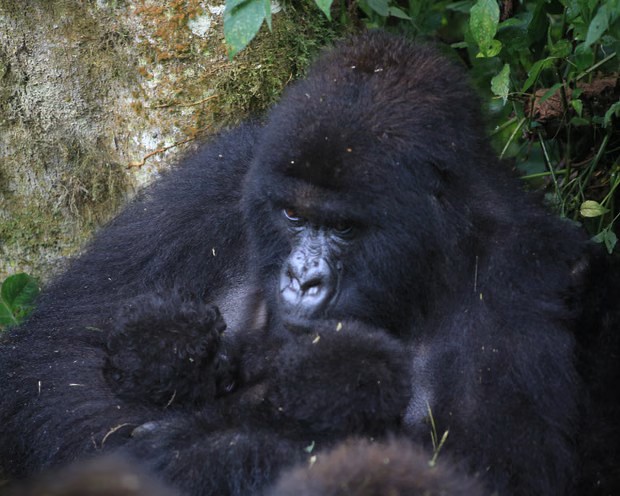
This follows another twin birth just months earlier in the Bageni family, making this an exceptionally rare period for the endangered species.
Twin births among mountain gorillas are extremely uncommon, occurring in only a very small proportion of cases. Caring for two infants at once places considerable strain on the mother, as gorillas typically give birth to a single offspring and devote significant time and energy to its survival. The birth has increased the size of the Baraka group to around 19 individuals, making the arrival of the twins a significant moment for one of Virunga’s habituated families.
In neighbouring Uganda, there has also been a recent birth in the Mucunguzi family in the Rushaga sector of Bwindi Impenetrable National Park. Born to an adult female, Aronda, in March 2026, this is her second offspring and brings the family’s total to 20 individuals – another encouraging sign for the species.
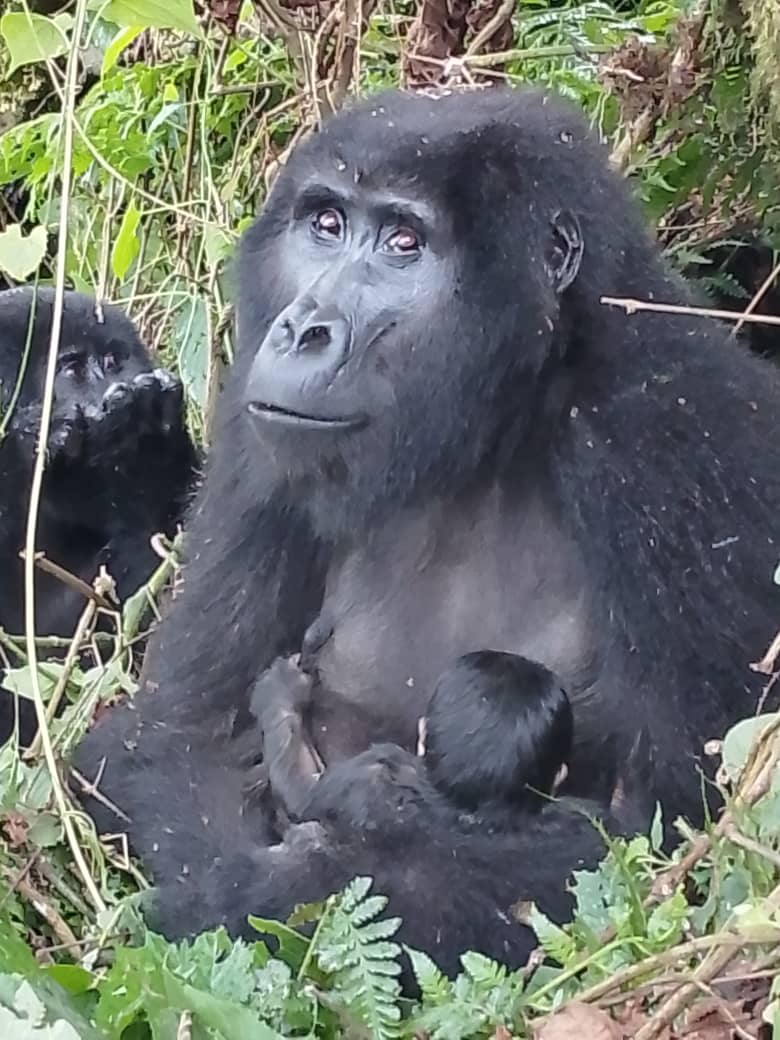
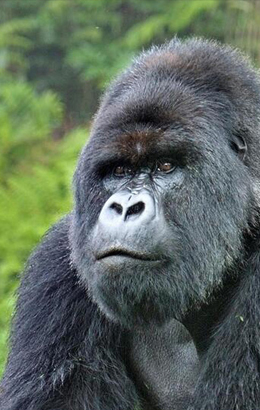
Mountain gorillas once faced a severe risk of extinction. By the 1980s, their population had fallen to just a few hundred individuals, driven by habitat loss, poaching, and prolonged regional conflict. Today, their recovery stands as one of conservation’s most significant achievements globally. Decades of sustained effort, led by park rangers, veterinary teams, local communities, and organisations including The Gorilla Organization, have helped populations rebound to just over 1,000 individuals in the wild. This progress has been made possible through intensive protection, daily monitoring, community-based conservation and targeted state policies.
In 2018, mountain gorillas were reclassified from “critically endangered” to “endangered,” reflecting this progress. Yet their future remains uncertain: the forests they depend on are fragile, and ongoing pressures – including conflict, habitat encroachment, and climate change – continue to pose serious risks.
At The Gorilla Organization, we work in partnership with communities living alongside gorilla habitats to reduce pressure on forests while supporting sustainable livelihoods. These recent births across the region are a powerful sign of what long-term conservation can achieve, but they are also a reminder that continued support is essential to secure the future of this remarkable species.
In February, we celebrated the launch of the new Nyagakenke Village Primary School, built in partnership with That Gorilla Brand.…
On 8th March, International Women’s Day, we celebrate the extraordinary women who are helping transform communities across Central Africa and…
Stanley has been travelling across Uganda at the invitation of President Yoweri Museveni, visiting some of the country’s most important…
In February, we celebrated the launch of the new Nyagakenke Village Primary School, built in partnership with That Gorilla Brand.
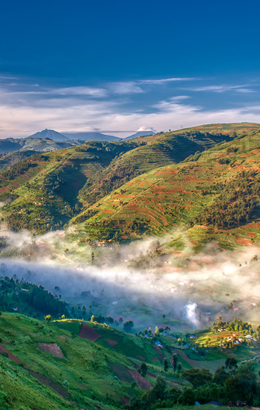
The school sits just minutes from the entrance to Mgahinga National Park, on the border of Uganda, Rwanda and the DRC, beneath the volcanic slopes that form one of the most important habitats for mountain gorillas.
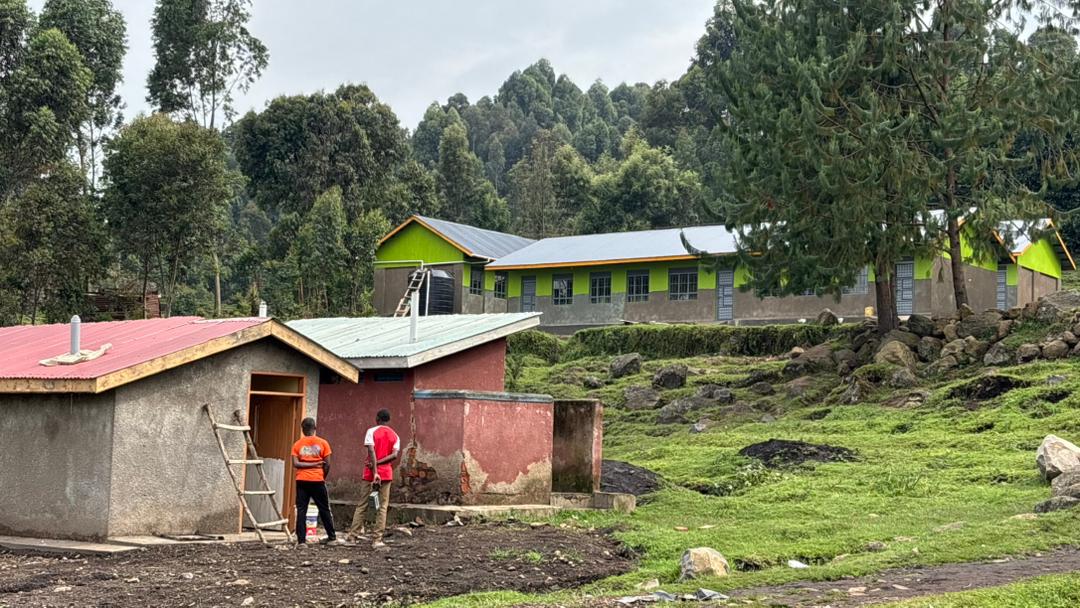
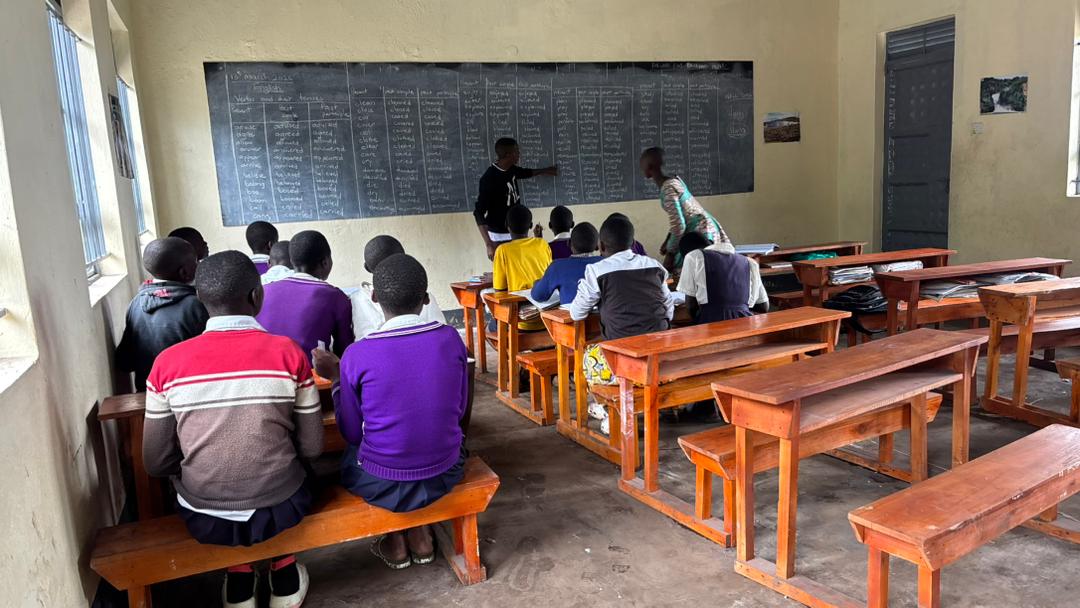
Until now, learning conditions were extremely difficult. The buildings struggled to support the children who relied on them. Now the school can offer children a more secure foundation for the future. Children who once sat on mud floors with no windows now have proper classrooms with concrete floors, glass windows and solid roofing. There is solar power, fresh water on site and proper desks to learn at.
In total, three new buildings have been constructed, creating seven classrooms and five toilet blocks. The school now has capacity for 600 children in this densely populated area. At the opening, the Bishop of Kisoro described Nyagakenke as the best school in the region.
But the importance of this school reaches far beyond education alone.
Equipping the next generation
Nyagakenke is one of 27 schools involved in our Children for Sustainable Conservation programme, which works on a simple idea: when children understand and benefit from conservation, entire communities begin to protect wildlife.
As part of this work, pupils help remove litter, especially plastics left by tourism and other activity around the national park. Students have also taken part in large scale reforestation on the slopes of Muhavura after landslides caused by loss of tree cover. They plant fruit trees including guava and avocado, helping restore the landscape while improving school nutrition. Conservation becomes a shared family effort rather than something imposed from outside.
The aim reaches beyond environmental protection, becoming about changing opportunity. Better education raises literacy, which opens alternatives to illegal hunting and unsustainable resource use. As awareness grows, attitudes towards the national park and its biodiversity improve, and pressure on mountain gorillas reduces. Over time the school becomes a centre for both learning and local development.
What this new school makes possible
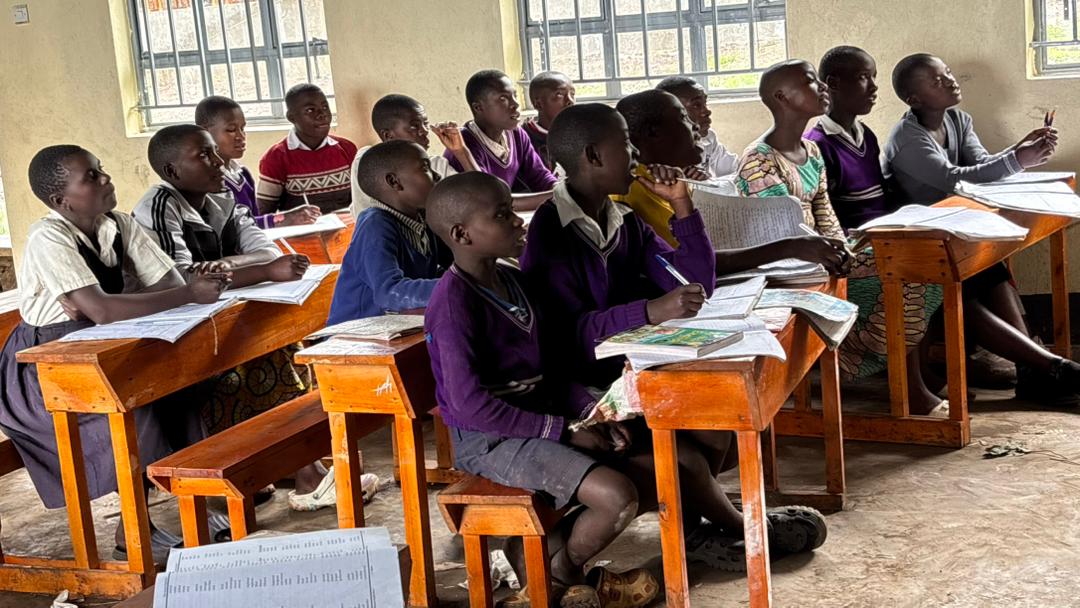
With space for 600 pupils, the school can now reach many more children. More children staying in school means greater exposure to conservation.
Parents are drawn in through their children, and communities become easier to mobilise around protecting the park. As education levels rise and livelihoods diversify, reliance on poaching inevitably falls. Step by step, conservation and development reinforce each other.
A shared effort
This school builds on wider work in the region, including the Bwindi Community Water Project, which has already brought clean water, sanitation and solar power to more than 15,000 people living beside gorilla habitat. Together with That Gorilla Brand, we will continue to support communities and wildlife in the region.
Standing in the new classrooms, you can feel that change already beginning. Children have space, teachers have tools, and families have renewed confidence in what education can offer.
We are deeply grateful to That Gorilla Brand for making this possible. Nyagakenke is a huge milestone, and a vital investment in children’s education, community upliftment and the future of mountain gorillas
In February, we celebrated the launch of the new Nyagakenke Village Primary School, built in partnership with That Gorilla Brand.…
On 8th March, International Women’s Day, we celebrate the extraordinary women who are helping transform communities across Central Africa and…
Stanley has been travelling across Uganda at the invitation of President Yoweri Museveni, visiting some of the country’s most important…
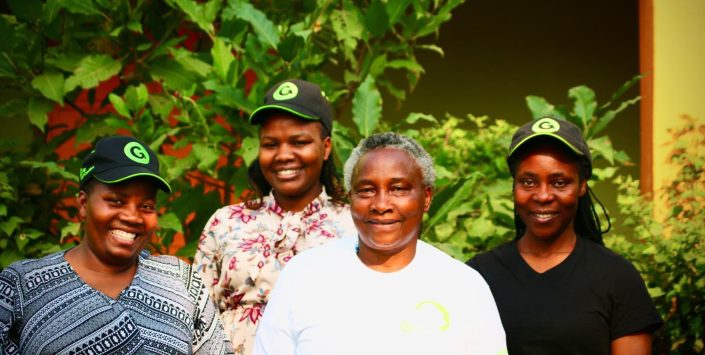
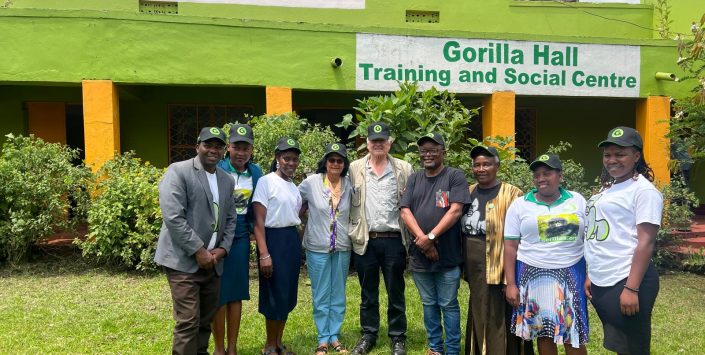
On 8th March, International Women’s Day, we celebrate the extraordinary women who are helping transform communities across Central Africa and playing a key role in gorilla conservation.
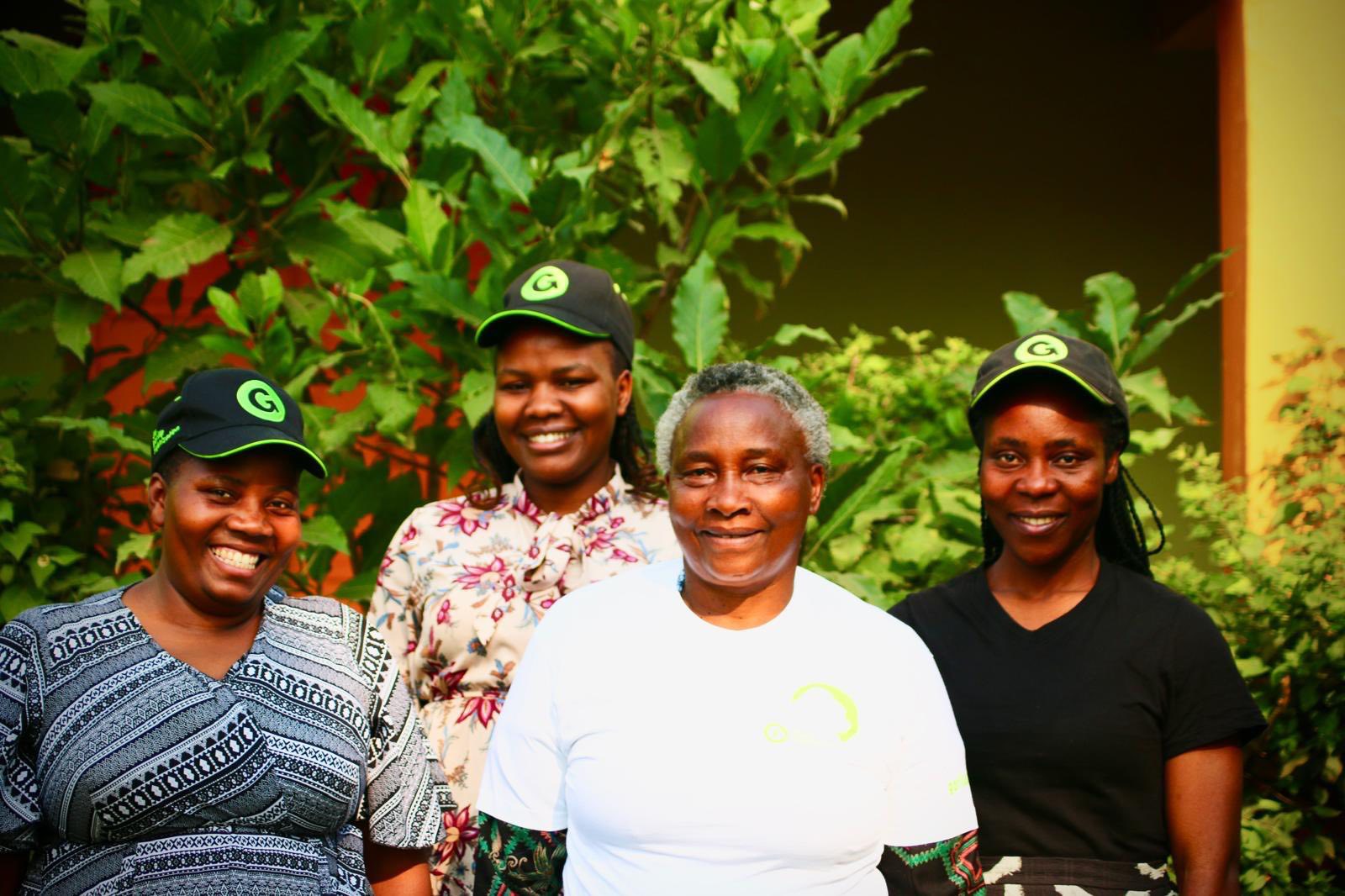
From left to right in this photo are Phiona, Brenda, Regina and Aphia – just a few of the remarkable women who make up the The Gorilla Organization team.
These women play vital roles across our programmes in Central Africa. From running the office and managing accounts to leading agricultural projects and supporting reformed poachers as they build new livelihoods, they are central to the work we do.
But their impact goes far beyond their official roles. They are leaders in their communities, setting an example for other women and girls and inspiring the next generatin. Most of the farmers we work with are women, and the income they earn helps send children to school, support families and build more secure futures.
Across the communities surrounding gorilla habitats, women are helping drive long-term economic development and creating opportunities where there were once very few.
From one hive to a thriving business
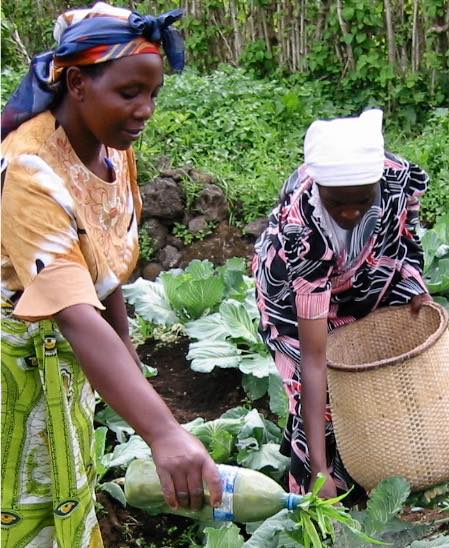
One inspiring example comes from a woman who joined our beekeeping programme.
She began with just one beehive on her land. After attending training sessions and learning new skills, she started multiplying her hives. Today, she has nine hives, producing honey that she can sell for income. With the money she earned, she was able to buy a goat and pay for her children to attend school. What began as a single hive has grown into a small business, and she has become a role model for other women in her community.
Women supporting women
With every initiative that The Gorilla Organization supports, from farming and conservation to craft and skills training, women are at the heart of strengthening their communities. However, in many parts of Africa, women and girls face disproportionately high levels of poverty and violence, particularly during times of conflict. Women are often expected to raise large families, work full time in the fields and maintain traditional domestic roles.
By empowering women to gain skills, generate income and build confidence, our programmes help create greater independence and opportunity. And as these women succeed, they lift up the communities around them.
This International Women’s Day, we celebrate the strength, leadership and determination of the women working every day to create a better future for their families, their communities, and for the gorillas who live alongside them.
In February, we celebrated the launch of the new Nyagakenke Village Primary School, built in partnership with That Gorilla Brand.…
In February, we celebrated the launch of the new Nyagakenke Village Primary School, built in partnership with That Gorilla Brand.…
Stanley has been travelling across Uganda at the invitation of President Yoweri Museveni, visiting some of the country’s most important…
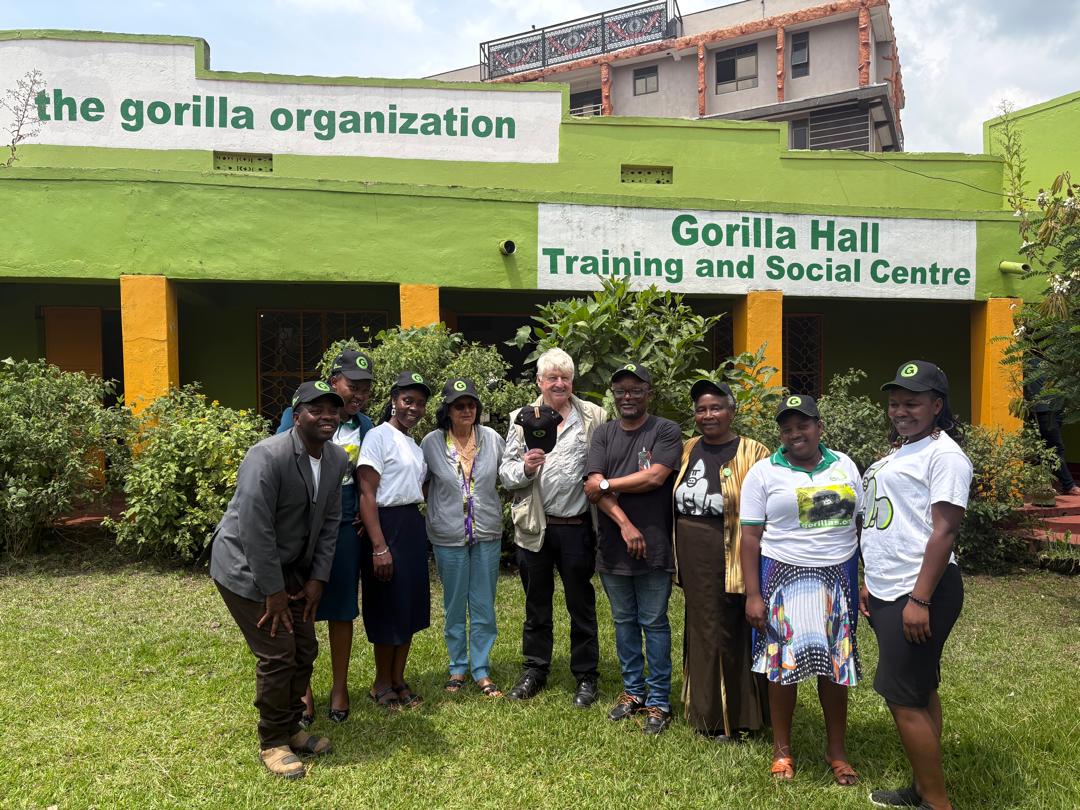
In January, we were delighted to welcome our patron and lifelong environmentalist, Stanley Johnson, to our regional resource centre in Kisoro, Uganda. He was accompanied by Uganda’s High Commissioner to the UK, Her Excellency Namisha Madhvani, and met our Uganda Country Director Dr Samson Werikhe and the wider team working every day with communities living alongside mountain gorillas.
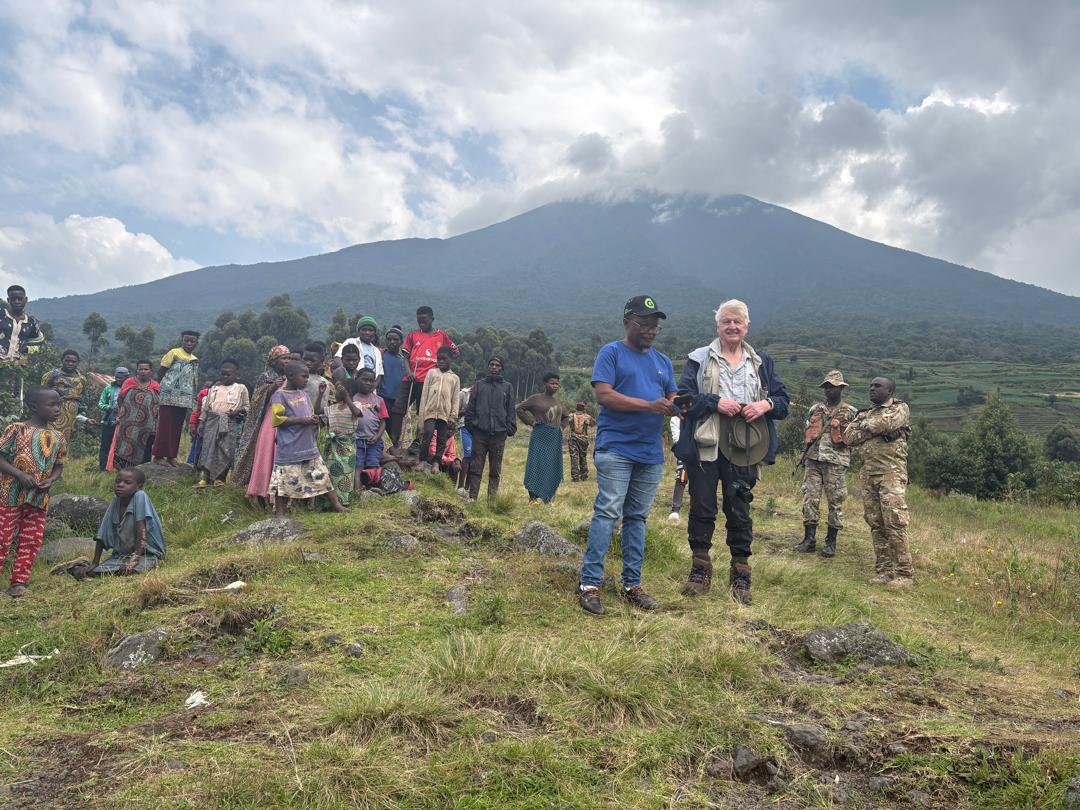
Stanley has been travelling across Uganda at the invitation of President Yoweri Museveni, visiting some of the country’s most important conservation and tourism sites, including Mgahinga Gorilla National Park, Kyambura Gorge, the Kazinga Channel and the Source of the Nile in Jinja. His visit focused on the close connection between wildlife conservation, local livelihoods and national development, something that sits at the heart of our work.
A visit to Kisoro
In Kisoro, conservation work is a daily reality for communities living on the edge of gorilla habitat. Farmers here share land with one of the world’s most endangered species, and success depends on trust, education and long-term partnership.
At our resource centre Stanley met staff, local leaders and community members who have participated in our programmes over the years. Since opening in 2006, the centre has trained thousands of people including rangers, farmers, former poachers and schoolchildren. Many of those who first attended sessions as children are now adults supporting conservation in their own villages.
At the centre, community training has been at the heart of the team’s work. This training ranges from human-wildlife conflict prevention to sustainable agriculture and income-generating skills that reduce pressure on the forest. Many reformed poachers who now earn a living through farming and community enterprises spoke about how access to knowledge and opportunity changed their choices.
A new chapter by Lake Mutanda
The visit also came at an important moment for the organisation. Later this year the resource centre will move to a purpose-built permanent site on the shores of Lake Mutanda. The new location sits between Uganda’s two key mountain gorilla habitats, Bwindi Impenetrable Forest and Mgahinga Gorilla National Park, placing it at the centre of our conservation landscape.
The new facility will include a larger training hall for education programmes, particularly for school groups, and a demonstration garden where farmers can learn organic agriculture techniques suited to the region. For The Gorilla Organization, it marks something significant, that after nearly two decades of operating in Kisoro, we are establishing a long-term home designed around community learning.
Standing by the lake, the idea behind the move felt clear. Conservation succeeds when it becomes part of everyday life. A permanent centre allows relationships to deepen over time, and gives local partners a place that belongs to them as much as to us.
Linking conservation and livelihoods
Throughout his Uganda visit Stanley has emphasised the connection between protecting nature and supporting economic opportunity. In Kisoro that link is visible in small details such as kitchen gardens replacing forest foraging, livestock projects reducing hunting pressure, and schoolchildren growing up understanding why gorillas matter not only globally but locally.
Uganda’s mountain gorilla population has increased in recent decades, a rare conservation success story. That progress depends heavily on community cooperation. The resource centre exists to support that relationship, helping ensure conservation works for people as well as wildlife.
Looking ahead
Before leaving, Stanley spoke with staff about the organisation’s future plans and the importance of continuing education work with young people. Many of the children who attend sessions today will become the farmers, leaders and rangers responsible for protecting the forest tomorrow. The new Lake Mutanda centre is being built with them in mind.
His visit was a reminder that conservation is both local and international. It relies on global support and attention, but it is sustained by the daily efforts of communities living alongside wildlife. In Kisoro, that partnership continues to grow, and the next chapter is about to begin on the lakeshore.
We look forward to welcoming Stanley back once the new centre opens.
In February, we celebrated the launch of the new Nyagakenke Village Primary School, built in partnership with That Gorilla Brand.…
In February, we celebrated the launch of the new Nyagakenke Village Primary School, built in partnership with That Gorilla Brand.…
On 8th March, International Women’s Day, we celebrate the extraordinary women who are helping transform communities across Central Africa and…
The Gorilla Organization has been featured in National Geographic Traveller (UK), one of the world’s leading travel publications. The piece – “Track mountain gorillas in Uganda with their protectors” – offers an in-depth look at our conservation work on the ground. It follows the dedicated teams working to safeguard the world’s remaining mountain gorillas, and the communities who share their forest home.
Last November, a National Geographic team spent time with our staff and community partners in Uganda, joining rangers and conservationists in the field to understand both the challenges and the progress being made. They visited schools on the forest’s edge, spoke with the families who benefit from our livelihood projects, and accompanied trackers into the misty, steep terrain where gorilla groups reside. Their reporting captures what our teams experience every day: that effective conservation is driven not only by patrols and monitoring, but by strong community relationships, long-term economic alternatives, and locally led protection rooted in people’s real lives.
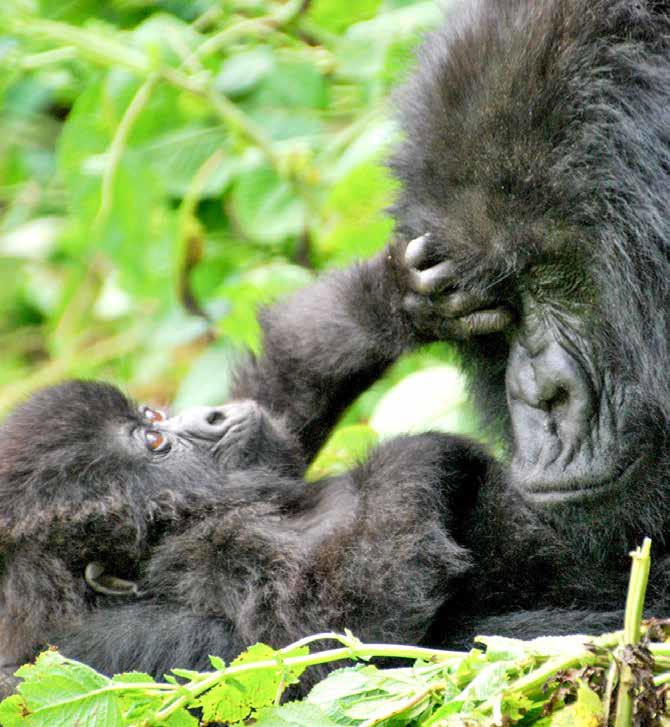
The article highlights how responsible tourism has become a critical part of gorilla conservation. Permit fees and visitor revenue now support ranger salaries, education programmes, and livelihood initiatives for neighbouring communities- helping to ensure that conservation creates tangible benefits for people as well as wildlife. In places like Bwindi and Mgahinga, the growth of well-managed gorilla tourism is one of the reasons mountain gorilla numbers have continued to rise in recent decades, transforming what was once a fragile population into a rare conservation success story.
Tourism plays a vital role in conservation more broadly. When travellers visit these forests with sensitivity and respect, they help create a powerful incentive to protect the landscapes and wildlife they come to see. The income generated supports not only protected area management but also the wider community: from porters and guides to craft cooperatives, schools and women’s groups. This shared economic benefit strengthens local stewardship of the forests, reducing pressures such as habitat encroachment and providing alternatives to activities like poaching. Well-managed tourism becomes a bridge between conservation and development, ensuring that the survival of mountain gorillas is tied to improved opportunities for the people who live alongside them.
Alongside this progress, the story also points to the complexities that remain, including from the pressures of habitat loss to the need to ensure that conservation benefits reach the people who have historically lived closest to the forest. The Gorilla Organization’s community-centred approach, which includes supporting schools and creating sustainable income opportunities, is designed to help address these tensions in a way that supports both people and wildlife.
For The Gorilla Organization, features like this help shine a light on the realities of conservation work today. They show the impact of investing in communities, supporting rangers, and safeguarding forests, while recognising the hard work and long-term commitment required to protect mountain gorillas for generations to come.
We are incredibly grateful to the National Geographic team for taking the time to see our work up close, listen to the people who make it possible, and share these stories with a global audience.
You can read the full story here
In February, we celebrated the launch of the new Nyagakenke Village Primary School, built in partnership with That Gorilla Brand.…
In February, we celebrated the launch of the new Nyagakenke Village Primary School, built in partnership with That Gorilla Brand.…
On 8th March, International Women’s Day, we celebrate the extraordinary women who are helping transform communities across Central Africa and…
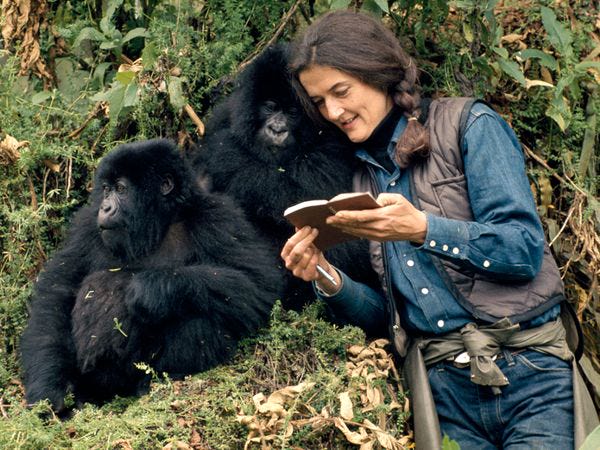
On 26 December 1985, the world lost one of the most influential figures in wildlife conservation. Forty years on, the life and work of Dr Dian Fossey continue to shape how mountain gorillas are protected and understood today.
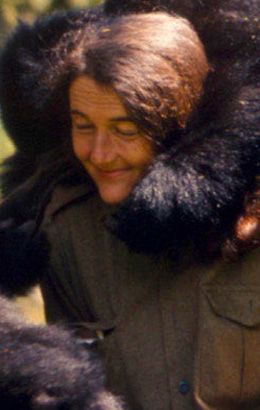
Dr Dian Fossey first arrived in the Virunga Mountains in 1967, establishing a small research camp high in the mist-covered forests of Rwanda. What began as scientific research quickly became something far deeper. Living alongside mountain gorillas for nearly two decades, she developed an unparalleled understanding of their social lives, behaviours and individual personalities.
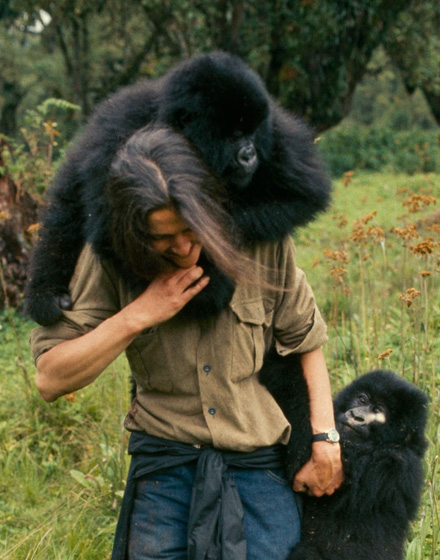
During this time, Dr Dian Fossey became acutely aware of the dangers facing the gorillas. Poaching, illegal cattle grazing and habitat destruction were pushing the species towards extinction. Refusing to remain a passive observer, she took decisive action, helping to establish some of the first dedicated anti-poaching patrols in the region and working tirelessly to protect the gorillas she had come to know so closely.
A pivotal moment came in 1978 with the killing of Digit, a silverback gorilla Dr Dian Fossey had followed and named. His death was a profound personal loss and a turning point in her conservation work. In response, she established the Digit Fund, created to support ranger patrols and provide direct, on-the-ground protection for gorillas at a critical time for the species.
Dr Dian Fossey’s commitment to protecting gorillas was unwavering and, at times, controversial. Her uncompromising stance brought conflict and opposition, but it also helped draw international attention to the urgent need for gorilla conservation. At a moment when mountain gorillas faced the very real possibility of extinction, her work played a vital role in changing the course of their survival.
Her message reached far beyond the forests of Central Africa. The publication of Gorillas in the Mist in 1983 introduced a global audience to the world of mountain gorillas and the threats they faced. The film adaptation, released in 1988 and based on her autobiography, further amplified her story and helped bring gorilla conservation into the public consciousness worldwide.
On 26 December 1985, Dr Dian Fossey was tragically killed in her cabin at the Karisoke Research Centre, where she had lived and worked for so many years. Her death was a devastating loss, but it did not bring an end to her mission.
Founded in 1989 to continue the pioneering work of Dr Dian Fossey, The Gorilla Organization was established to support the anti-poaching patrols she helped create. Building on Dr Dian Fossey’s legacy, the organisation examined why gorilla poaching was so prevalent in national parks and used these findings to develop an innovative, community-led approach to conservation. Since taking on its current name in 2002, The Gorilla Organization has expanded the scope of its field projects, working to ensure the survival of the world’s remaining wild gorilla populations.
Today, Dr Dian Fossey’s legacy lives on in the forests she fought to protect, in the survival of mountain gorillas, and in the generations of conservationists inspired by her work. As we mark the 40th anniversary of her death, her life remains a powerful reminder of the impact determined action can have, and of the responsibility to continue protecting gorillas for the future.
Below is a timeline highlighting key moments from the life and work of Dr Dian Fossey, whose research and conservation efforts continue to influence how gorillas are protected today.
1963 - Dian Fossey first encountered mountain gorillas in Africa. The sighting made her resolve to return to Africa to study the gorillas in more depth one day.
1966 – Fossey went to observe mountain gorillas in the Democratic Republic of Congo.
1967 – Dian set up the Karisoke Research Centre in the Volcanoes National Park, Rwanda.
1970 – Fossey appeared on the cover of National Geographic Magazine, significantly raising public awareness of her work and the plight of mountain gorillas.
1974 – Fossey earned her Ph.D. in zoology from the University of Cambridge after completing her dissertation, The Behaviour of the Mountain Gorilla.
1976 – Ian Redmond OBE – Chairman of the Board for The Gorilla Organization – became a research assistant to Dian Fossey at the Karisoke Research Centre until the early 80s.
1978 – Fossey established The Digit Fund—later called the Dian Fossey Gorilla Fund—named after her beloved silverback, to finance anti-poaching patrols and active conservation.
In the same year, the first commercial gorilla treks began in Volcanoes National Park—$20 permits helped reinvest in habitat protection.
1979 – ‘Life on Earth’ featuring mountain gorillas with Sir David Attenborough, screened on British television. The interaction, made possible by Fossey’s work, was a catalyst for changing public perception of gorillas from monstrous creatures to gentle, intelligent beings.
1985 – Dian Fossey was murdered in her cabin at the Karisoke Research Centre.
1990s – Mountain gorilla numbers dipped as low as ~250, triggering urgent conservation action.
1993 – Uganda opened Bwindi Impenetrable National Park to tourism, combining permits to see the Mubare family group with conservation funding.
1996 – Ian Redmond founded Ape Alliance to encourage conservation organisations to work together.
2002 – The Dian Fossey Gorilla Fund in the UK changed its name to The Gorilla Organization.
2018 – Mountain gorillas were reclassified from Critically Endangered to Endangered, marking them as the first great ape species ever to show a recovery trend.
Today – Over 1,060 mountain gorillas live across Rwanda, Uganda, and the DRC. Tourism now generates hundreds of millions of pounds annually, funding schools, healthcare, anti-poaching efforts, and local development.
In February, we celebrated the launch of the new Nyagakenke Village Primary School, built in partnership with That Gorilla Brand.…
In February, we celebrated the launch of the new Nyagakenke Village Primary School, built in partnership with That Gorilla Brand.…
On 8th March, International Women’s Day, we celebrate the extraordinary women who are helping transform communities across Central Africa and…