

The Gorilla Organization has been featured in National Geographic Traveller (UK), one of the world’s leading travel publications. The piece…
Gorillas stay stable, but remain “Critically-Endangered”
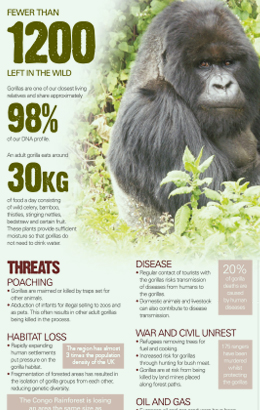
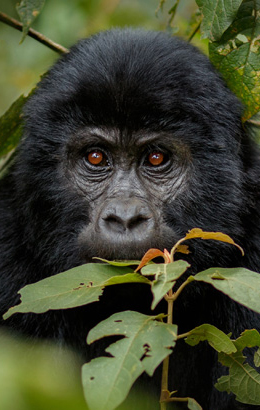
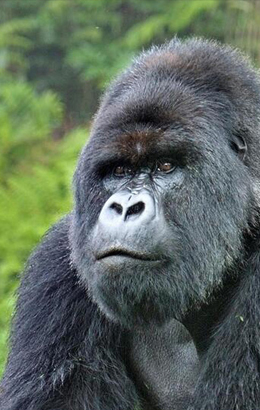
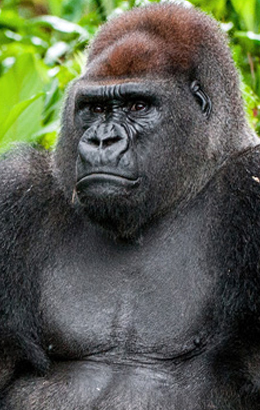
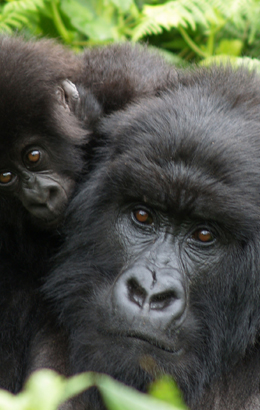
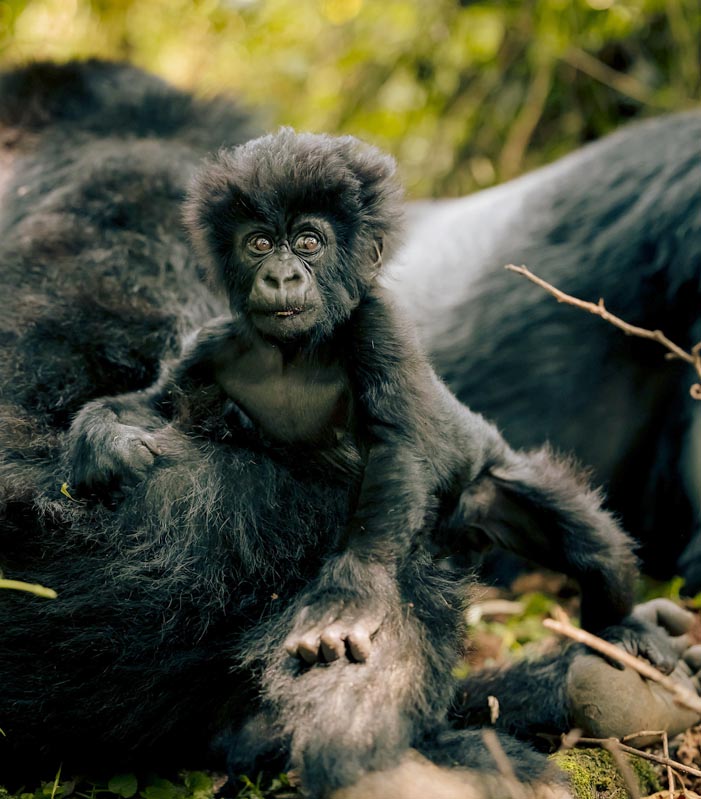
Despite the recent and ongoing insecurity in eastern DR Congo, the status of gorillas in the wild remains largely stable. However, both species of gorilla – eastern and western – still remain officially classified as “critically-endangered”, one step away from being lost for good.
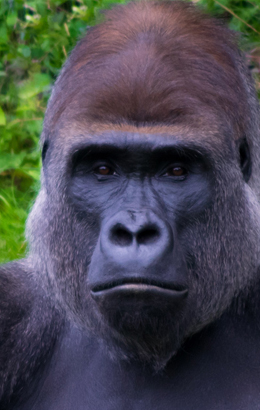
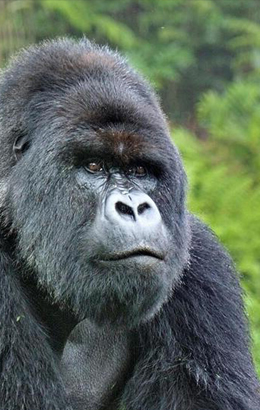
The latest update to the IUCN Red List of Threatened Species (10 October) shows that gorillas are among almost 50,000 species threatened with extinction. Both eastern gorillas, the species which includes mountain gorillas and eastern lowland gorillas, and western gorillas, which includes western lowland and Cross River gorillas, continue to face a range of threats. Since only western lowland gorillas are found in zoos, keeping them safe in their native habitats is vital.
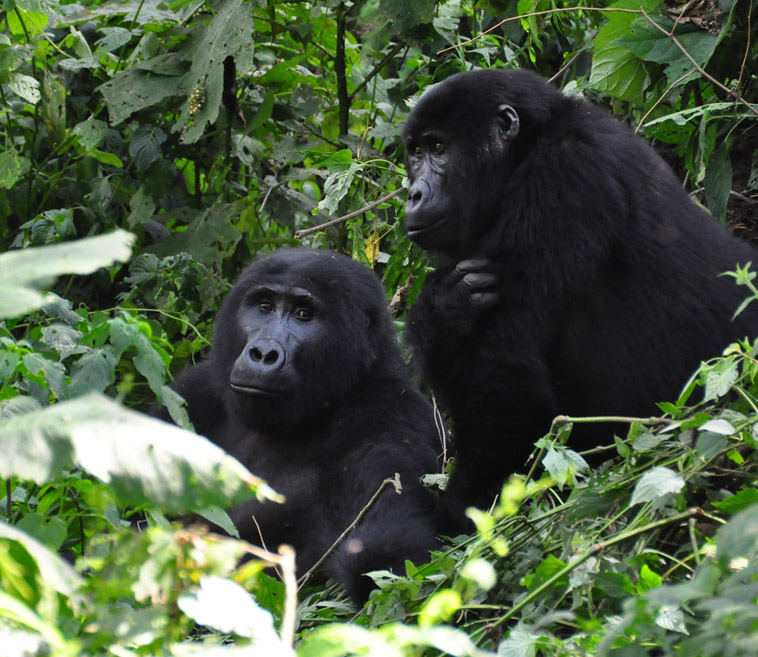
According to the IUCN data, even with the growth of the mountain gorilla subspecies, the overall decline of the Eastern Gorilla species is expected to exceed 80% over three generations due to the high levels of poaching, loss of habitat as human populations expand, and civil unrest and lawlessness in and around the gorillas’ natural habitat. More concerning, the data modelling shows that, without intervention, just 14% of the 1994 population of gorillas will be left in 20 years’ time.
Gorilla Organization Director Jillian Miller says: “This new report is concerning but far from surprising. Certainly, we have seen great successes in keeping mountain gorillas safe from harm, and they represent one of the great conservation stories of our times. But all their cousins continue to be placed in severe danger, mainly from man-made threats. We really cannot let up in our efforts to protect gorillas and their habitat.”
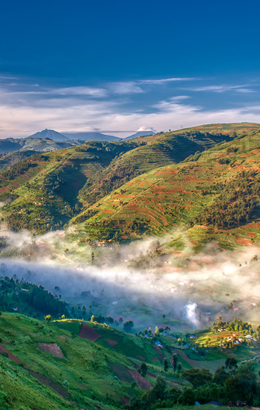
The Gorilla Organization’s projects focus on both the immediate threats to gorillas while also addressing the underlying causes of poaching and habitat loss. Tree-planting programmes play a key role in preserving a safe, natural barrier between humans and gorillas, while the Reformed Poachers Project encourages communities to benefit from sustainable livelihoods outside of the forests.
Projects have carried on through the recent troubles, which culminated in the rebel takeover of the city of Goma, home of the Gorilla Organization’s office in DR Congo.
Make a difference – help today!
More News
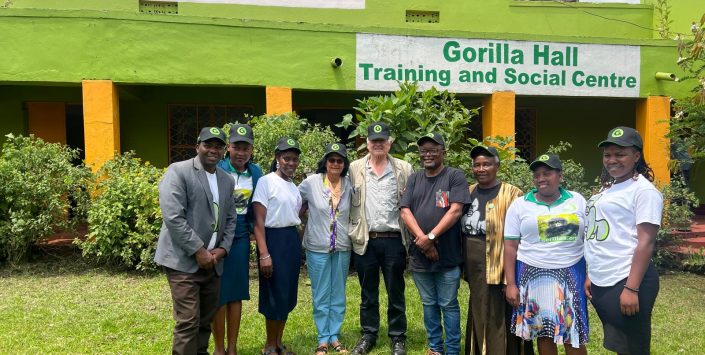
Stanley Johnson visits The Gorilla Organization in Kisoro
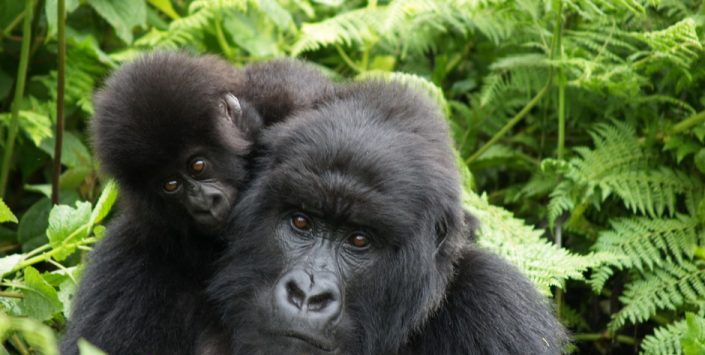
Inside Our Work: The Gorilla Organization Featured in National Geographic Traveller
The Gorilla Organization has been featured in National Geographic Traveller (UK), one of the world’s leading travel publications. The piece…
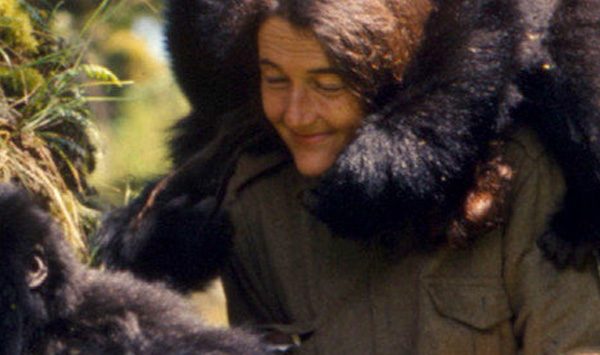
Celebrating the legacy of Dian Fossey, 40 years on
On 26 December 1985, the world lost one of the most influential figures in wildlife conservation. Forty years on, the…