

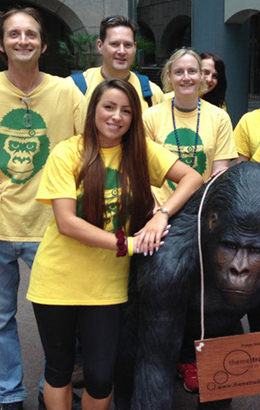
In February, we celebrated the launch of the new Nyagakenke Village Primary School, built in partnership with That Gorilla Brand.…
Inside Our Work: The Gorilla Organization Featured in National Geographic Traveller
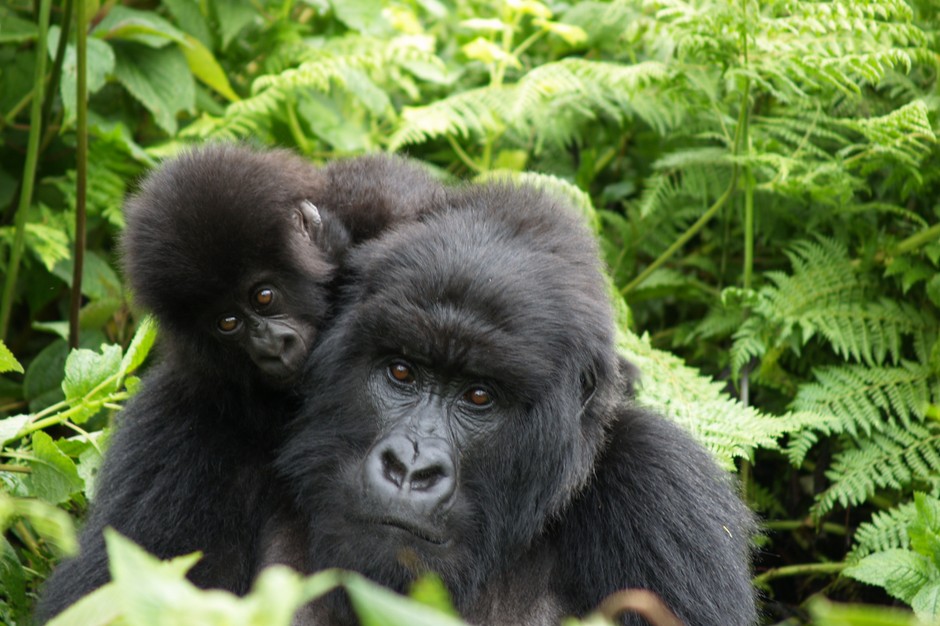
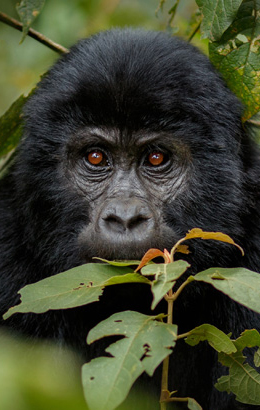
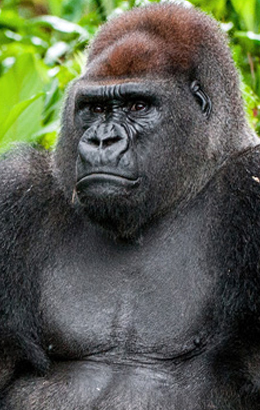
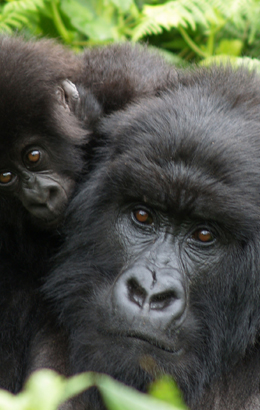
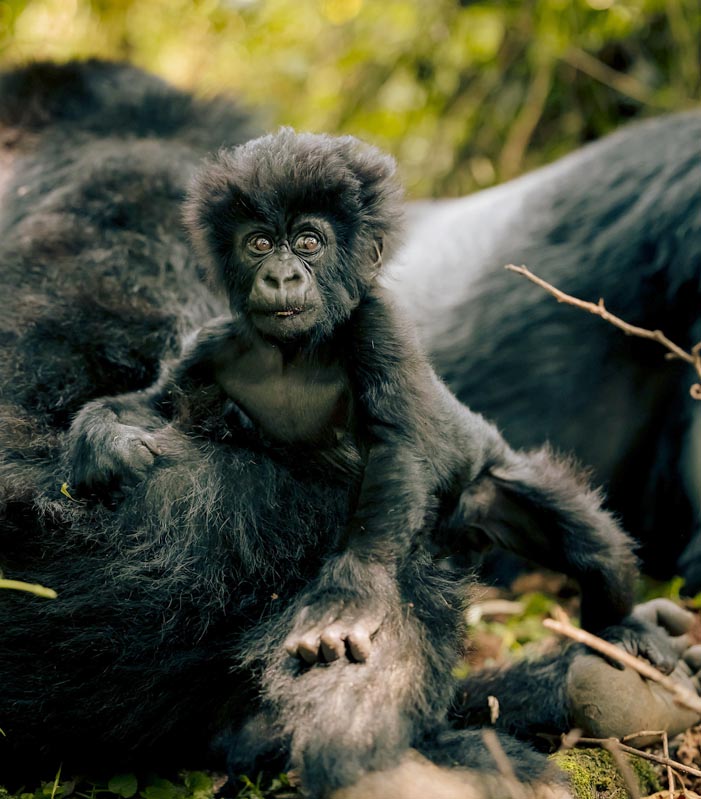
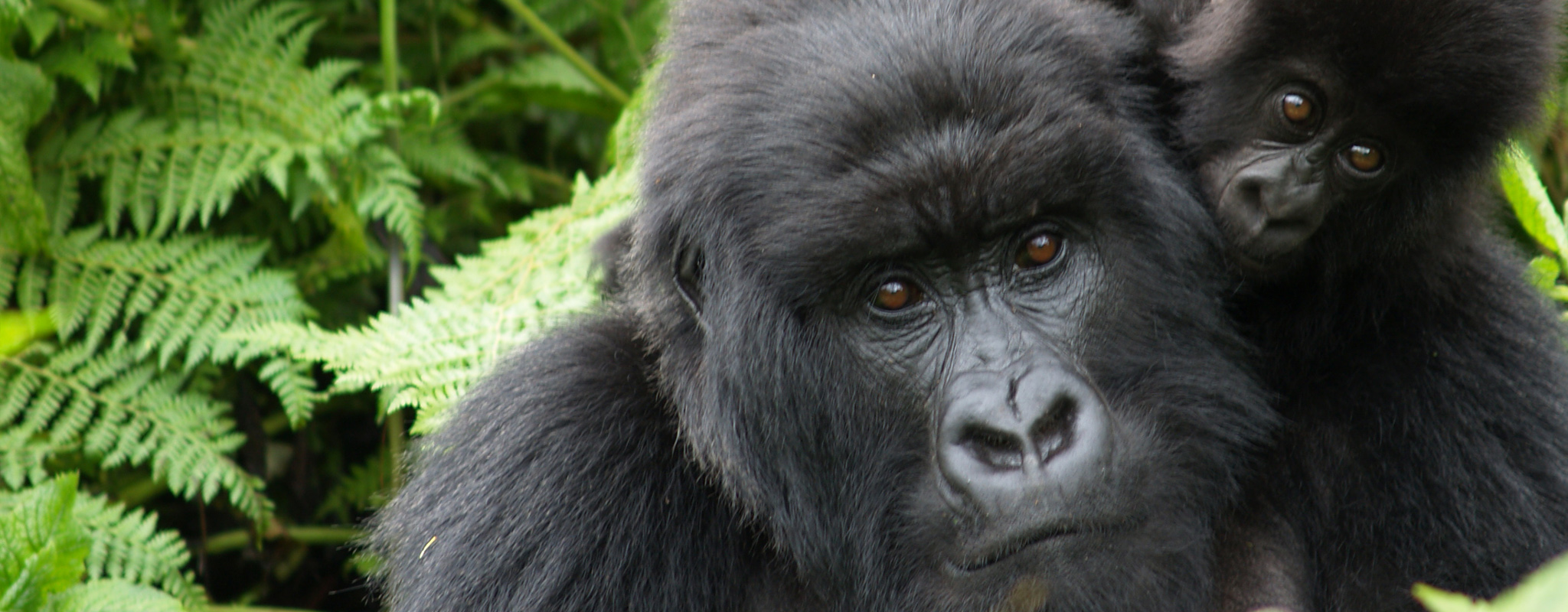
The Gorilla Organization has been featured in National Geographic Traveller (UK), one of the world’s leading travel publications. The piece – “Track mountain gorillas in Uganda with their protectors” – offers an in-depth look at our conservation work on the ground. It follows the dedicated teams working to safeguard the world’s remaining mountain gorillas, and the communities who share their forest home.
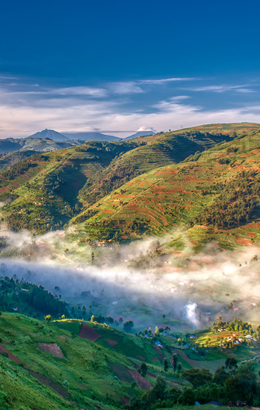
Last November, a National Geographic team spent time with our staff and community partners in Uganda, joining rangers and conservationists in the field to understand both the challenges and the progress being made. They visited schools on the forest’s edge, spoke with the families who benefit from our livelihood projects, and accompanied trackers into the misty, steep terrain where gorilla groups reside. Their reporting captures what our teams experience every day: that effective conservation is driven not only by patrols and monitoring, but by strong community relationships, long-term economic alternatives, and locally led protection rooted in people’s real lives.
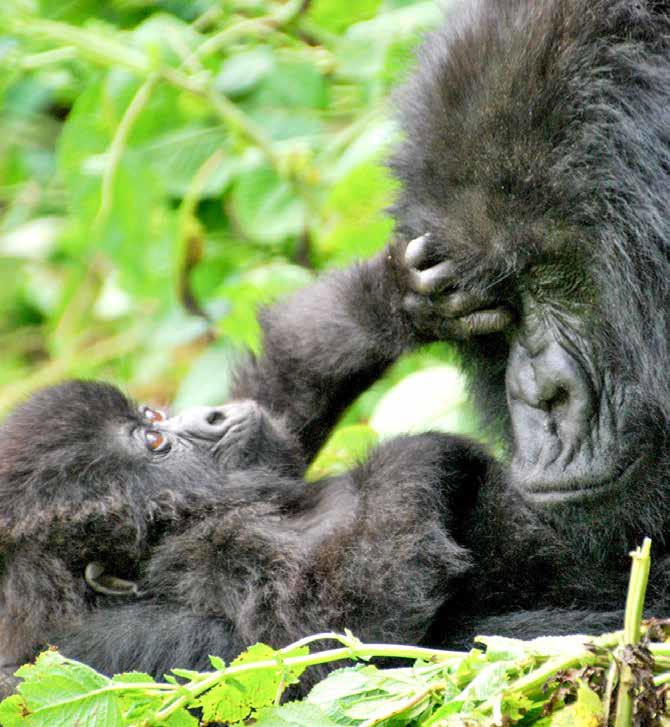
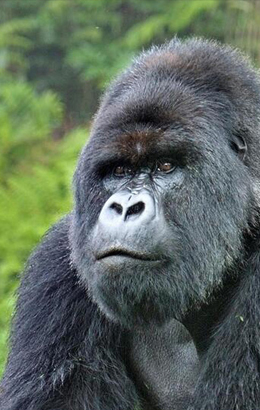
The article highlights how responsible tourism has become a critical part of gorilla conservation. Permit fees and visitor revenue now support ranger salaries, education programmes, and livelihood initiatives for neighbouring communities- helping to ensure that conservation creates tangible benefits for people as well as wildlife. In places like Bwindi and Mgahinga, the growth of well-managed gorilla tourism is one of the reasons mountain gorilla numbers have continued to rise in recent decades, transforming what was once a fragile population into a rare conservation success story.
Tourism plays a vital role in conservation more broadly. When travellers visit these forests with sensitivity and respect, they help create a powerful incentive to protect the landscapes and wildlife they come to see. The income generated supports not only protected area management but also the wider community: from porters and guides to craft cooperatives, schools and women’s groups. This shared economic benefit strengthens local stewardship of the forests, reducing pressures such as habitat encroachment and providing alternatives to activities like poaching. Well-managed tourism becomes a bridge between conservation and development, ensuring that the survival of mountain gorillas is tied to improved opportunities for the people who live alongside them.
Alongside this progress, the story also points to the complexities that remain, including from the pressures of habitat loss to the need to ensure that conservation benefits reach the people who have historically lived closest to the forest. The Gorilla Organization’s community-centred approach, which includes supporting schools and creating sustainable income opportunities, is designed to help address these tensions in a way that supports both people and wildlife.
For The Gorilla Organization, features like this help shine a light on the realities of conservation work today. They show the impact of investing in communities, supporting rangers, and safeguarding forests, while recognising the hard work and long-term commitment required to protect mountain gorillas for generations to come.
We are incredibly grateful to the National Geographic team for taking the time to see our work up close, listen to the people who make it possible, and share these stories with a global audience.
You can read the full story here
Make a difference – help today!
More News
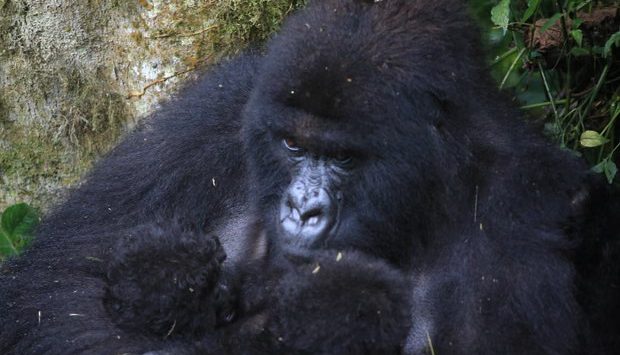
Rare mountain gorilla twins born in Virunga National Park alongside new birth in Uganda
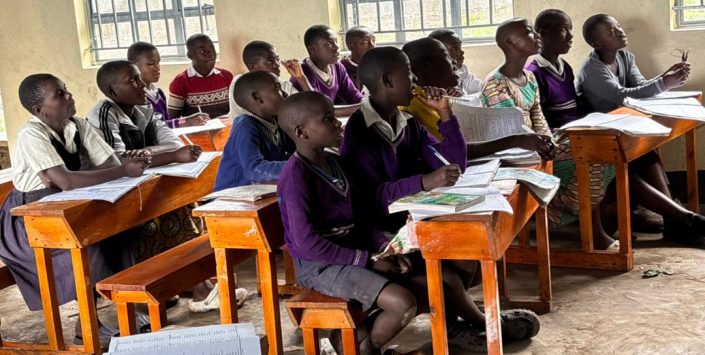
A new chapter for Nyagakenke Village Primary School
In February, we celebrated the launch of the new Nyagakenke Village Primary School, built in partnership with That Gorilla Brand.…
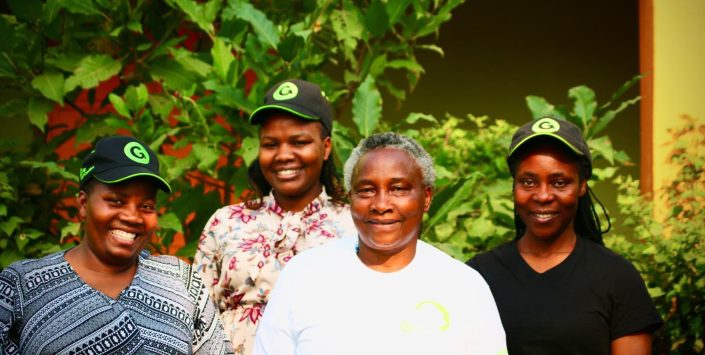
Celebrating the Women Transforming Communities this International Women’s Day
On 8th March, International Women’s Day, we celebrate the extraordinary women who are helping transform communities across Central Africa and…