

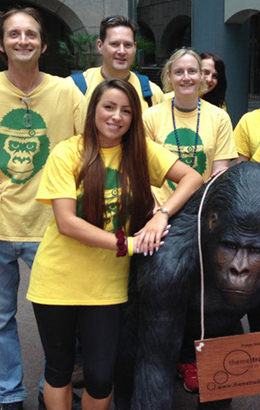
In February, we celebrated the launch of the new Nyagakenke Village Primary School, built in partnership with That Gorilla Brand.…
Rare mountain gorilla twins born in Virunga National Park alongside new birth in Uganda
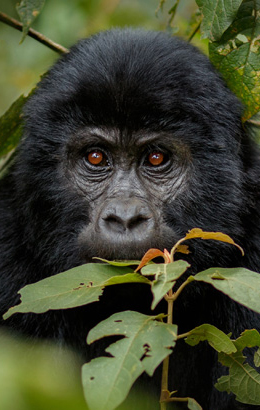
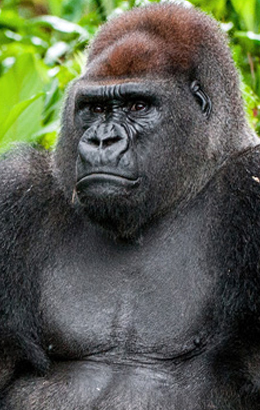
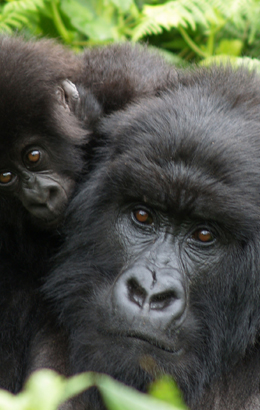
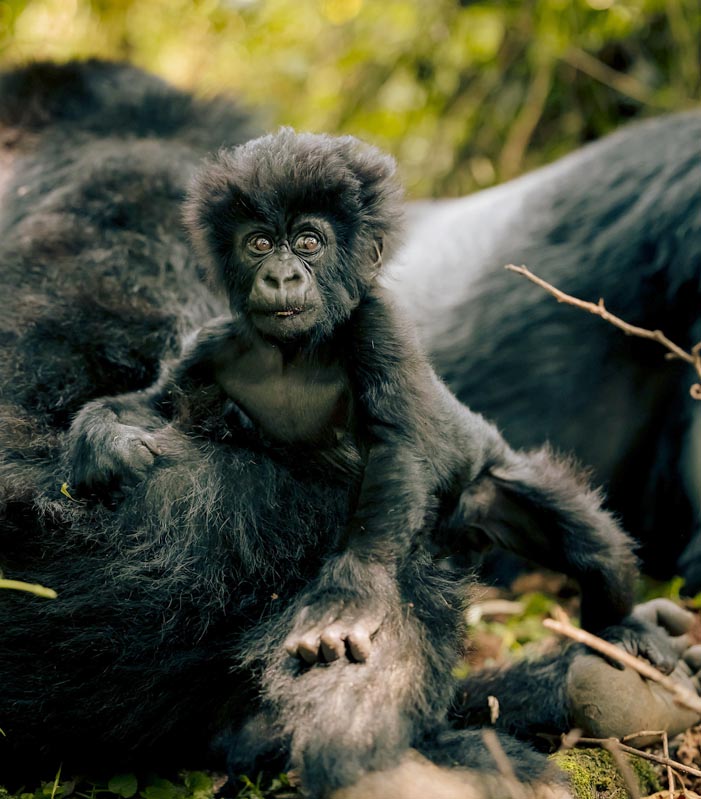
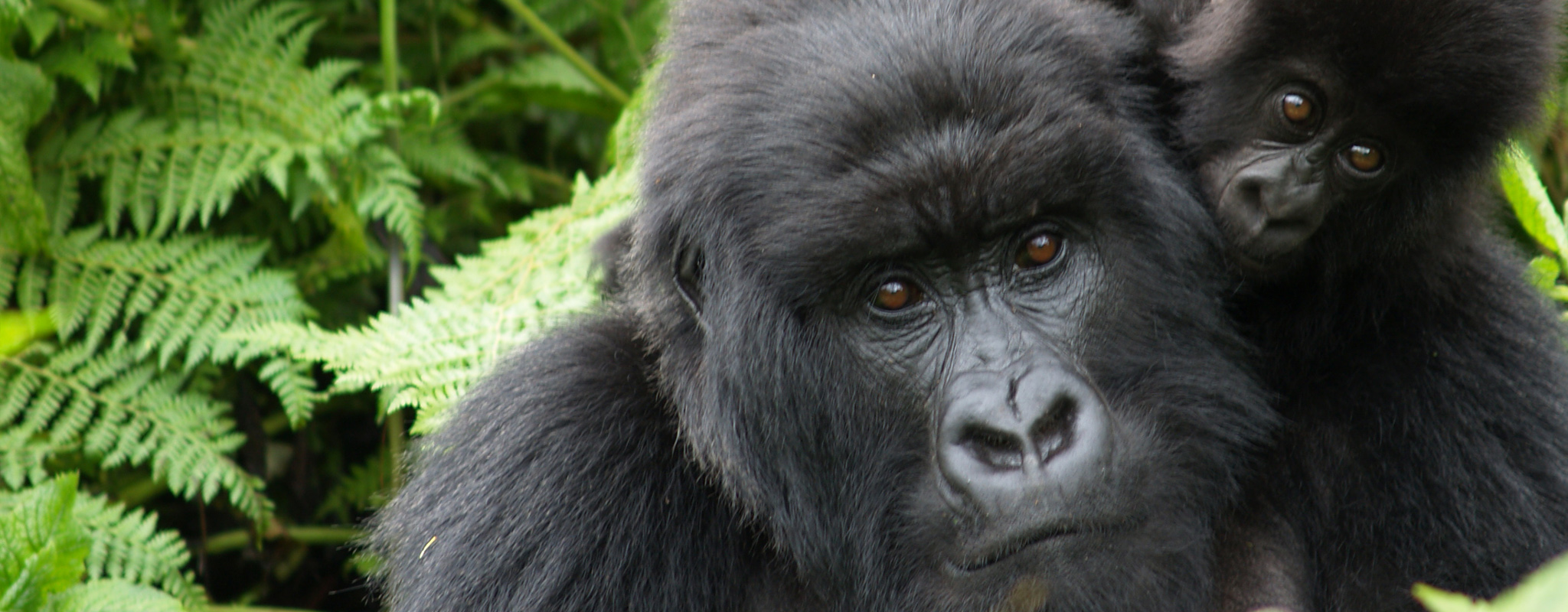
Conservationists in the Democratic Republic of Congo are celebrating the arrival of a second set of rare mountain gorilla twins, born in Virunga National Park. The newborns, estimated to be around two weeks old, were recorded in the Baraka family, in the park’s Mikeno sector. Early observations suggest the twins are one male and one female. Rangers and veterinary teams are continuing to monitor both infants and their mother closely, and they are in safe hands.
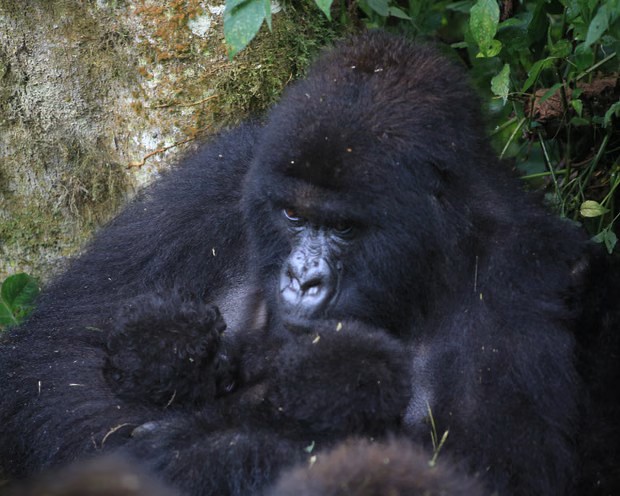
This follows another twin birth just months earlier in the Bageni family, making this an exceptionally rare period for the endangered species.
Twin births among mountain gorillas are extremely uncommon, occurring in only a very small proportion of cases. Caring for two infants at once places considerable strain on the mother, as gorillas typically give birth to a single offspring and devote significant time and energy to its survival. The birth has increased the size of the Baraka group to around 19 individuals, making the arrival of the twins a significant moment for one of Virunga’s habituated families.
In neighbouring Uganda, there has also been a recent birth in the Mucunguzi family in the Rushaga sector of Bwindi Impenetrable National Park. Born to an adult female, Aronda, in March 2026, this is her second offspring and brings the family’s total to 20 individuals – another encouraging sign for the species.
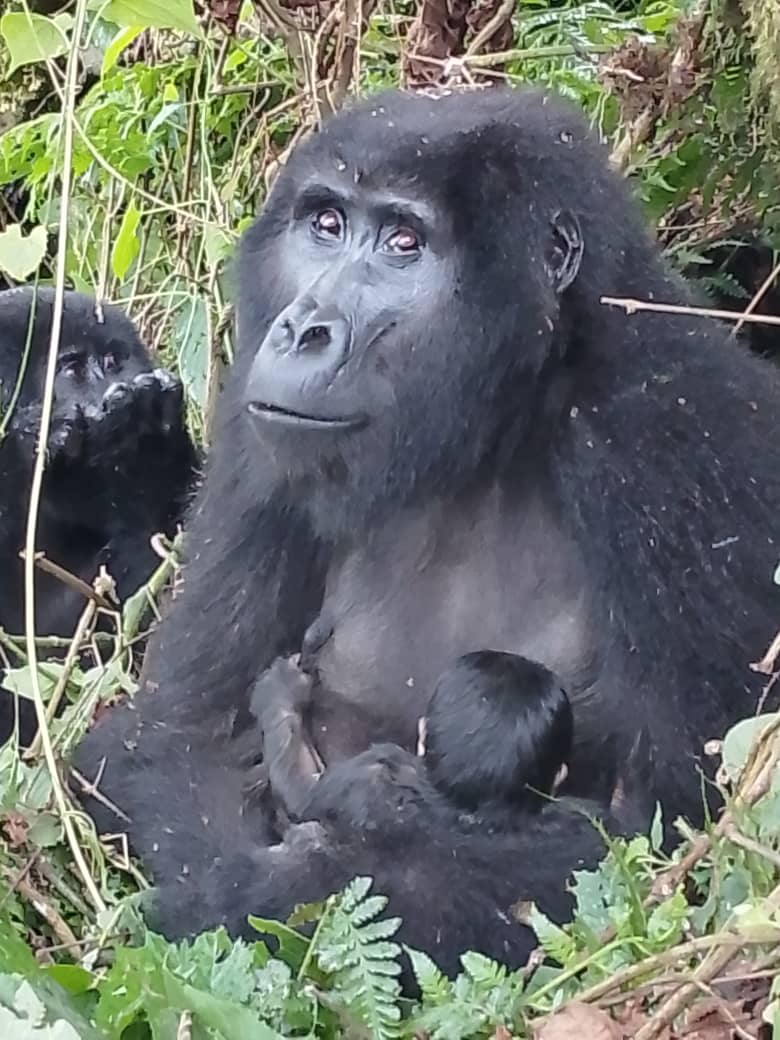
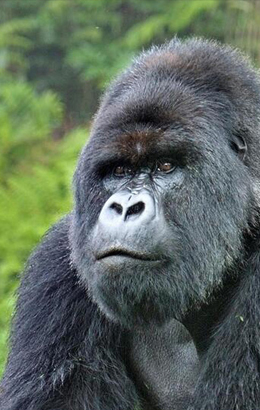
Mountain gorillas once faced a severe risk of extinction. By the 1980s, their population had fallen to just a few hundred individuals, driven by habitat loss, poaching, and prolonged regional conflict. Today, their recovery stands as one of conservation’s most significant achievements globally. Decades of sustained effort, led by park rangers, veterinary teams, local communities, and organisations including The Gorilla Organization, have helped populations rebound to just over 1,000 individuals in the wild. This progress has been made possible through intensive protection, daily monitoring, community-based conservation and targeted state policies.
In 2018, mountain gorillas were reclassified from “critically endangered” to “endangered,” reflecting this progress. Yet their future remains uncertain: the forests they depend on are fragile, and ongoing pressures – including conflict, habitat encroachment, and climate change – continue to pose serious risks.
At The Gorilla Organization, we work in partnership with communities living alongside gorilla habitats to reduce pressure on forests while supporting sustainable livelihoods. These recent births across the region are a powerful sign of what long-term conservation can achieve, but they are also a reminder that continued support is essential to secure the future of this remarkable species.
Make a difference – help today!
More News
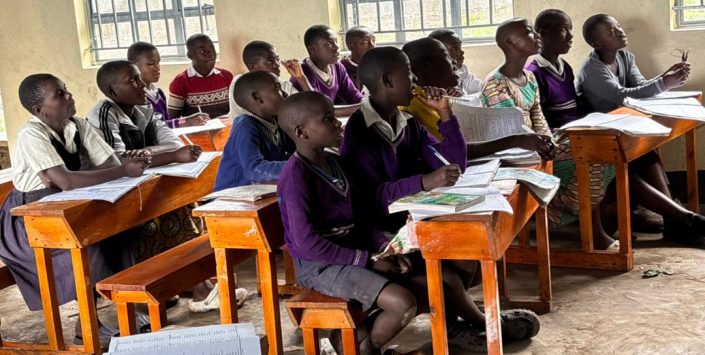
A new chapter for Nyagakenke Village Primary School
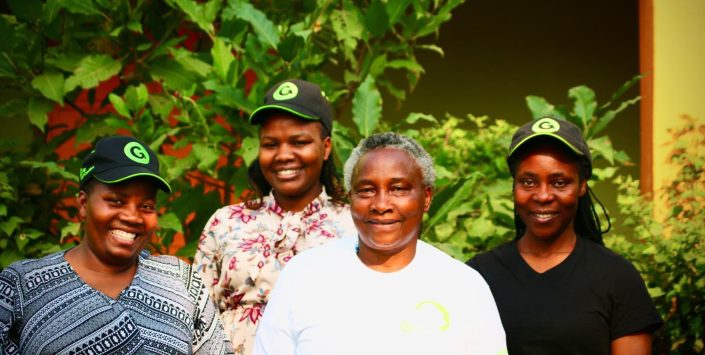
Celebrating the Women Transforming Communities this International Women’s Day
On 8th March, International Women’s Day, we celebrate the extraordinary women who are helping transform communities across Central Africa and…
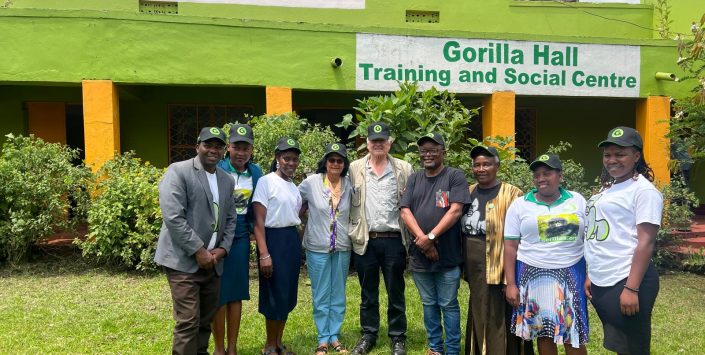
Stanley Johnson visits The Gorilla Organization in Kisoro
Stanley has been travelling across Uganda at the invitation of President Yoweri Museveni, visiting some of the country’s most important…